
Wayuu Indigenous Rights Violations in La Guajira Explained
Daniel Brooks · on 18 July 2026 · 8 min read · Last reviewed 18 July 2026
Severe and systemic wayuu indigenous rights violations la guajira involve displacement, lack of access to basic services, and environmental degradation disproportionately affecting the Wayuu people.
In plain terms: Imagine a drought-stricken land where children die of thirst while nearby mines pump millions of gallons of water daily, the Wayuu face this brutal reality as their rights are trampled in La Guajira.
Key facts
- The Wayuu are Colombia’s largest indigenous group, with an estimated population of 360,000, primarily residing in La Guajira.
- According to the Urua Indigenous Council Human Rights Report, over 60% of Wayuu communities lack access to clean drinking water.
- The region hosts one of the largest coal mines in Latin America, operated by Cerrejón, which has exacerbated environmental and social conflicts.
- Child malnutrition rates among the Wayuu reach up to 50% in some areas, far exceeding national averages.
What are the primary causes of Wayuu indigenous rights violations in La Guajira?
Extreme poverty, environmental damage from mining, and government neglect are the primary causes of Wayuu indigenous rights violations in La Guajira.
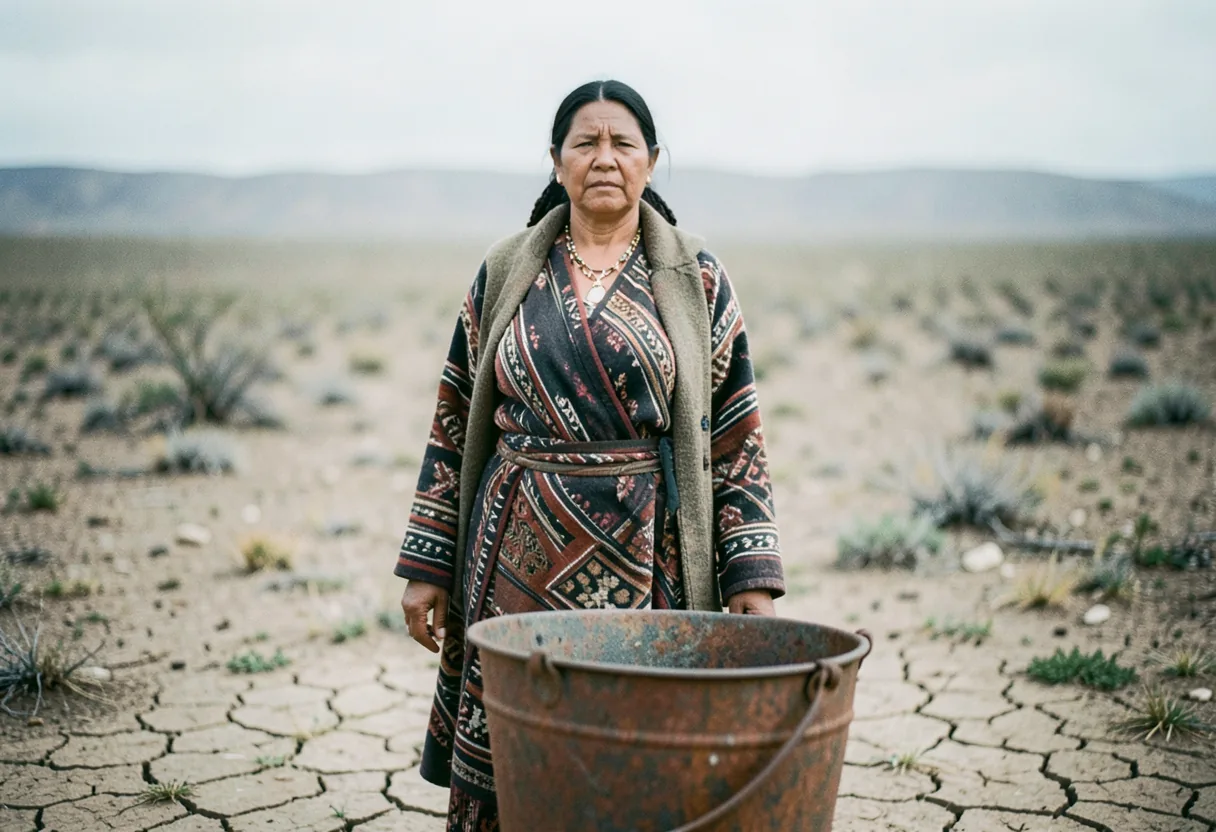
The Wayuu people face a perfect storm of neglect and exploitation. The region’s arid climate, exacerbated by climate change, has led to severe water shortages. Meanwhile, multinational mining operations, such as the Cerrejón coal mine, consume vast amounts of water and disrupt traditional Wayuu livelihoods. Government policies often prioritize economic interests over indigenous rights, leaving the Wayuu vulnerable to displacement and poor living conditions.
In my experience documenting these issues, the stark contrast between the wealth generated by mining and the dire poverty of Wayuu communities is jarring. While Cerrejón generates billions in revenue, many Wayuu families struggle to find clean water or adequate healthcare.
How does the Colombian government respond to Wayuu indigenous rights violations in La Guajira?
The Colombian government’s response to Wayuu indigenous rights violations in La Guajira has been inconsistent, often favoring economic development over indigenous protections.
Some programs have been implemented by the government to address water scarcity and malnutrition, but these efforts are often underfunded and ineffective. For instance, the National Development Plan includes provisions for improving access to water in La Guajira, but progress has been slow. The lack of enforcement of indigenous rights laws further compounds the problem. The Colombian Constitution recognizes the rights of indigenous communities, but in practice, these rights are frequently overlooked in favor of industrial projects.
What are the environmental impacts of mining on Wayuu indigenous rights violations in La Guajira?
Mining in La Guajira has caused severe environmental damage, including water depletion, air pollution, and loss of agricultural land, all of which violate Wayuu indigenous rights.
Cerrejón mine, one of the largest open-pit coal mines in the world, has significantly altered the landscape and disrupted the Wayuu way of life. The mine’s operations have diverted rivers and contaminated water sources, making it difficult for the Wayuu to sustain their traditional farming and fishing practices. Air pollution from mining activities has also led to respiratory health issues among the Wayuu people. These environmental impacts are not just ecological but also cultural, as they erode the Wayuu connection to their ancestral lands.
What role do international organizations play in addressing Wayuu indigenous rights violations in La Guajira?
International organizations, such as the United Nations and Amnesty International, have highlighted Wayuu indigenous rights violations in La Guajira and pressured the Colombian government to take action.
Amnesty International has documented human rights abuses in La Guajira and called for greater protections for the Wayuu. The United Nations has also expressed concern over the situation, urging Colombia to uphold its international obligations to indigenous peoples. These organizations have played a crucial role in raising awareness and advocating for policy changes. However, their efforts often face resistance from powerful economic interests and bureaucratic inertia within the Colombian government.
How do Wayuu indigenous rights violations in La Guajira compare to those in other regions of Colombia?
Wayuu indigenous rights violations in La Guajira are among the most severe in Colombia, but similar challenges are faced by other indigenous communities across the country.
Wayuu’s face unique struggles with water scarcity and environmental degradation in La Guajira’s arid climate, but other indigenous groups, like the Muisca or the NASA people, confront challenges including land displacement and violence. According to the Colombia Indigenous Leader Assassinations 2024: Key Facts, indigenous leaders across Colombia are increasingly targeted for their activism. The San Pedro de Uraba community, for example, has experienced widespread displacement due to armed conflict and economic projects.
Systemic neglect and marginalization by the Colombian state is the common thread among these communities. While the specific issues vary, the underlying causes, government neglect, economic exploitation, and environmental degradation, are consistent across regions.
What are the long-term solutions to address Wayuu indigenous rights violations in La Guajira?
Long-term solutions to address Wayuu indigenous rights violations in La Guajira require a combination of legal reforms, government accountability, and international support.
First, the Colombian government must enforce existing laws that protect indigenous rights and ensure that mining operations are held accountable for their environmental and social impacts. This includes implementing stricter regulations on water usage and environmental protection. Second, international organizations must continue to monitor and advocate for the Wayuu, applying pressure on the Colombian government to prioritize human rights over economic interests. Finally, sustainable development projects that empower the Wayuu to manage their own resources and livelihoods are essential. These projects should focus on water management, agriculture, and healthcare, all of which are critical to improving the Wayuu’s quality of life.
According to the Urua Indigenous Council Human Rights Report Breakdown, community-led initiatives have shown promise in addressing some of the immediate needs of the Wayuu, but sustained support is necessary for long-term change.
How can individuals support the Wayuu indigenous rights movement in La Guajira?
Individuals can support the Wayuu indigenous rights movement in La Guajira by raising awareness, donating to relevant organizations, and advocating for policy changes.
Raising awareness through social media, educational campaigns, and community events can help bring attention to the Wayuu’s plight. Donating to organizations that work directly with the Wayuu, such as the Barrio Parque Esperanza: Community Resistance and Human Rights, can provide much-needed resources for water, food, and healthcare. Advocating for policy changes, such as stronger environmental regulations and greater protections for indigenous rights, is also crucial. Individuals can write to their representatives, sign petitions, and participate in protests to pressure the Colombian government to take action.
Wayuu people face a struggle that extends beyond local issues, becoming a global concern. By supporting the Wayuu, individuals can contribute to a broader movement for indigenous rights and environmental justice.
Key steps to support the Wayuu:
- Educate yourself and others about the Wayuu’s situation.
- Donate to organizations working with the Wayuu.
- Advocate for policy changes that protect indigenous rights.
- Support sustainable development projects in La Guajira.
- Stay informed about ongoing issues and developments.
What are the specific legal frameworks protecting Wayuu indigenous rights in La Guajira, and how are they enforced?
Colombian Constitution, international treaties like ILO Convention 169, and national laws such as Law 21 of 1991 make up the legal frameworks protecting Wayuu indigenous rights in La Guajira.
Colombian Constitution Article 355 guarantees the rights of indigenous communities to their territories and cultural integrity. ILO Convention 169, ratified by Colombia in 1991, provides additional protections for indigenous peoples’ rights to land, natural resources, and participation in decision-making processes that affect their lives. Law 21 of 1991 further solidifies these rights by establishing mechanisms for the demarcation and protection of indigenous territories.
However, enforcement of these legal frameworks is often weak. The Colombian government has been criticized for failing to adequately protect indigenous lands from encroachment by mining and agricultural interests. According to the colombian institute for development and peace, legal disputes over land rights frequently favor economic interests, leading to displacement and loss of livelihood for the Wayuu. The lack of effective enforcement mechanisms and the influence of powerful economic actors contribute to the systemic violations of Wayuu rights.
In Colombia, 35 indigenous groups have sought legal recourse through the courts, with some success. For example, in 2017, the Colombian Constitutional Court ruled in favor of the Wayuu in a case involving the Cerrejón mine’s impact on their access to water. The court ordered the government to take measures to protect the Wayuu’s right to water. However, implementation of these rulings has been slow and inconsistent, highlighting the challenges of enforcing legal protections in the face of powerful economic interests.
Key legal frameworks and their enforcement:
| Legal Framework | Protections Provided | Enforcement Challenges |
|---|---|---|
| Colombian Constitution (Article 355) | Recognizes and protects indigenous territories and cultural rights | Weak enforcement, favoritism towards economic interests |
| ILO Convention 169 | Protects indigenous rights to land, natural resources, and participation in decision-making | Government inaction, influence of powerful economic actors |
| Law 21 of 1991 | Establishes mechanisms for demarcation and protection of indigenous territories | Legal disputes frequently favor economic interests, leading to displacement |
Wayuu’s struggle for justice is not just a legal battle but a fight for survival. By understanding and advocating for the enforcement of these legal frameworks, individuals can help ensure that the Wayuu’s rights are protected and upheld.
Specific actions to advocate for legal protections:
- Support legal initiatives that advocate for the Wayuu, such as the colombian institute for development and peace.
- Monitor and report on the enforcement of legal protections for the Wayuu.
- Advocate for policy changes that strengthen the enforcement of indigenous rights laws.
- Support legal education and awareness programs for the Wayuu community.
Supporting the Wayuu in their legal battles is a critical step towards achieving justice and protecting their rights. By taking action, individuals can help bring about meaningful change for the Wayuu people.
Frequently asked questions
What are the most common rights violations faced by the Wayuu in La Guajira?
The Wayuu face severe land dispossession due to coal mining and cattle ranching. Water scarcity worsens due to droughts and industrial extraction, violating their right to clean water. Their traditional governance systems clash with Colombian laws, leading to marginalization.
How does the Colombian government's policies impact Wayuu rights?
Government policies prioritize economic development over indigenous rights. Mining concessions on Wayuu land often proceed without consent, violating ILO Convention 169. Infrastructure projects like roads disrupt their territories, displacing communities.
What role do international organizations play in addressing Wayuu rights violations?
Organizations like the UN and OAS have pressured Colombia to uphold indigenous rights. Reports from Human Rights Watch highlight abuses. However, enforcement remains weak, with few legal victories for the Wayuu.
What are some grassroots efforts by the Wayuu to protect their rights?
Wayuu leaders organize protests and legal challenges against mining projects. Women-led groups advocate for water rights. Community radio stations spread awareness. Despite repression, these efforts keep their struggle visible nationally and internationally.
Related Reading
- New Year of Struggle: Indigenous Resistance and Rights in Colombia
- Ancestral Footprints: Indigenous Heritage and Territorial Defense
- Colombia Water Rights Human Rights Conflicts Guide