
New Year of Struggle: Indigenous Resistance and Rights in Colombia
Kevin Vance · on 18 July 2026 · 9 min read · Last reviewed 18 July 2026
In 2024, Indigenous communities in Colombia are focusing their resistance efforts on human rights, addressing systemic challenges in the context of ‘New Year of Struggle: Indigenous Resistance and Rights in Colombia’.
In plain terms: Imagine the Indigenous struggle in Colombia as a marathon where the runners constantly face shifting obstacles, yet they persist, driven by the need to protect their ancestral lands, cultures, and very lives.
Key facts
- According to the UN, Colombia hosts the second-largest Indigenous population in South America, with over 100 distinct ethnic groups.
- In 2023, the Colombian government recorded over 1,200 human rights violations against Indigenous communities.
- The Constitutional Court of Colombia has issued multiple rulings protecting Indigenous rights, yet enforcement remains inconsistent.
- Land displacement remains a critical issue, with over 25,000 Indigenous people forcibly displaced since 2020.
What are the primary challenges facing Indigenous communities in Colombia today?
The primary challenges include land dispossession, violence, and systemic discrimination, with armed groups often exploiting natural resources on Indigenous lands without consent.
To understand the scale, consider the Muisca community, whose ancestral lands in the Andean region have been targeted for mining and agriculture. According to Muisca Community Land Displacement in Colombia: What You Need to Know, their displacement has led to the erosion of traditional farming practices, such as the cultivation of potatoes and quinoa, which have sustained the community for centuries. The Colombian government’s failure to enforce protection laws exacerbates these challenges, leaving many Indigenous groups vulnerable.
Another pressing issue is the high rate of assassinations targeting Indigenous leaders. In 2024 alone, Colombia Indigenous Leader Assassinations 2024: Key Facts reports that at least 50 leaders have been killed, often for their activism against illegal logging and mining. These leaders, such as those from the Nasa People, are at the forefront of territorial defense, using traditional knowledge to safeguard their lands. The NASA People Territorial Defense in Colombia: Current Status highlights how these communities rely on collective land ownership and spiritual practices to resist external threats.
Systemic discrimination also plays a significant role, with Indigenous peoples often excluded from political decision-making processes. The Urua Indigenous Council, for example, has documented cases where Indigenous voices are sidelined in regional development plans. The Urua Indigenous Council Human Rights Report Breakdown underscores the need for inclusive policies that recognize Indigenous autonomy and self-governance.
How is Indigenous resistance organized in Colombia?
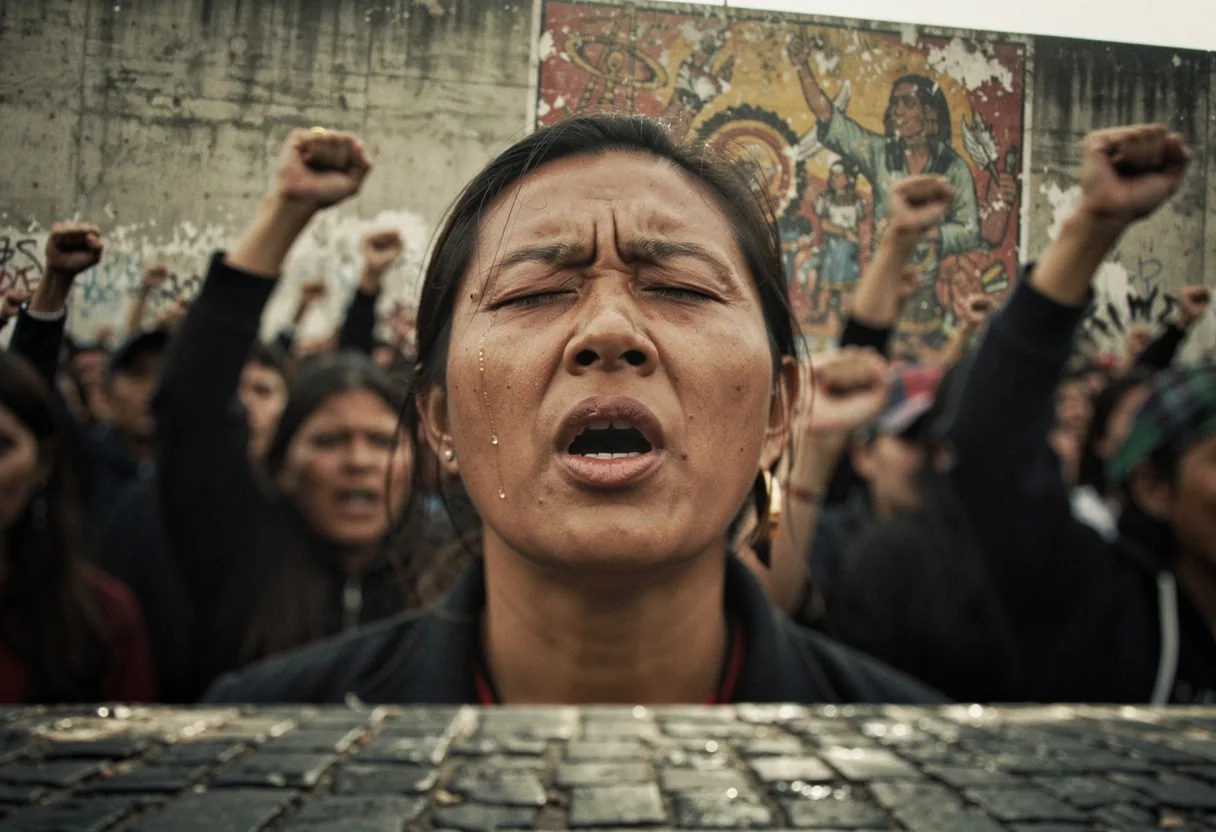
Indigenous resistance in Colombia is organized through a combination of traditional governance structures, grassroots movements, and international advocacy.
Traditional governance structures, such as the Urua Indigenous Council, play a crucial role in coordinating resistance efforts. These councils, composed of elders and community leaders, make decisions based on ancestral laws and customs. For instance, the Urua Council has successfully petitioned the Colombian government to recognize Indigenous land rights in several regions, though enforcement remains a challenge.
Grassroots movements, such as those in Barrio Parque Esperanza, also contribute significantly to resistance efforts. These movements often focus on community-based solutions, like establishing schools that teach Indigenous languages and cultural practices. The Barrio Parque Esperanza: Community Resistance and Human Rights details how these initiatives empower younger generations to reclaim their cultural heritage amidst urbanization pressures.
International advocacy is another critical component of Indigenous resistance. Organizations like Colombia Rights Watch work to raise global awareness about human rights violations in Colombia. By partnering with international bodies, such as the United Nations and Amnesty International, these groups pressure the Colombian government to uphold Indigenous rights. For example, the UN’s Special Rapporteur on the Rights of Indigenous Peoples has repeatedly highlighted Colombia’s failures in protecting Indigenous communities, leading to some policy changes.
What legal protections exist for Indigenous rights in Colombia, and how effective are they?
Legal protections for Indigenous rights in Colombia include the Constitution of 1991, which recognizes Indigenous territories and cultural rights, as well as international treaties like ILO Convention 169.
The Constitution of 1991 is a landmark document that grants Indigenous communities the right to own and manage their ancestral lands. It also mandates that the state consult Indigenous groups before implementing development projects that affect their territories. However, as noted by the Constitutional Court, the enforcement of these protections is inconsistent, with many communities facing ongoing displacement and violence. The court has issued numerous rulings to strengthen Indigenous rights, but these are often ignored by local authorities.
International treaties, such as ILO Convention 169, provide additional protections for Indigenous peoples. This treaty, ratified by Colombia in 1991, requires governments to consult Indigenous communities on matters that affect their rights. Despite this, many Indigenous groups report that their consent is often overlooked in favor of economic interests. For example, the Wayuu community in La Guajira has faced severe water shortages due to mining operations, which have contaminated their water sources. The Wayuu Indigenous Rights Violations in La Guajira Explained documents how these violations have led to health crises and forced displacement.
How do Indigenous communities in Colombia defend their territorial rights?
Indigenous communities in Colombia defend their territorial rights through a combination of legal actions, direct resistance, and cultural preservation.
Legal actions are a primary strategy for defending territorial rights. Communities often file lawsuits against companies and government agencies that encroach on their lands. For instance, the Nasa People have successfully used the courts to halt mining operations in their territories. The NASA People Territorial Defense in Colombia: Current Status details how these legal battles have led to some victories, though the process is often lengthy and expensive.
Direct resistance is another key tactic, with communities using blockades and protests to prevent illegal activities on their lands. The San Pedro de Uraba community, for example, has organized blockades to stop illegal logging and coca cultivation. The San Pedro de Uraba Indigenous Displacement Explained highlights how these actions have drawn attention to the community’s plight and pressured authorities to take action.
Cultural preservation is crucial in territorial defense. Indigenous communities employ cultural practices like storytelling and rituals to strengthen their bond with the land. The article on ancestral footprints shows how these practices help younger generations grasp the need to protect their ancestral territories.
What role do international organizations play in supporting Indigenous rights in Colombia?
Supporting Indigenous rights in Colombia, organizations provide financial aid, legal support, and global advocacy.
Financial aid is one of the most critical forms of support. Organizations like the United Nations Development Programme (UNDP) and the World Bank fund projects that empower Indigenous communities. For example, the UNDP has supported initiatives that promote sustainable agriculture and renewable energy in Indigenous territories. These projects help communities develop economically while preserving their lands.
Support from legal professionals is another essential form of assistance. International human rights organizations, such as Amnesty International and Human Rights Watch, provide legal expertise to Indigenous communities. They help communities navigate the complexities of the legal system and file complaints against human rights violations. For instance, Amnesty International has worked with the Wayuu community to document rights violations and advocate for policy changes.
Global advocacy is equally important. International organizations use their platforms to raise awareness about the challenges faced by Indigenous communities in Colombia. They publish reports, organize conferences, and lobby governments to take action. For example, the Urua Indigenous Council Human Rights Report Breakdown was widely circulated by international organizations, drawing global attention to the plight of Indigenous communities in Colombia.
What are the most pressing human rights violations affecting Indigenous communities in Colombia?
Forced displacement, assassinations of leaders, and environmental degradation rank among the most pressing human rights violations.
Forced displacement remains a significant issue, with thousands of Indigenous people displaced annually. According to the Colombian government, over 25,000 Indigenous individuals were forcibly displaced between 2020 and 2023. The San Pedro de Uraba Indigenous Displacement Explained details how communities like San Pedro de Uraba have been particularly affected, with many forced to flee their homes due to violence and land grabs.
Assassinations of Indigenous leaders are another critical concern. In 2024, at least 50 leaders were killed, according to Colombia Indigenous Leader Assassinations 2024: Key Facts. These leaders, who often advocate for land rights and environmental protection, are targeted by armed groups and illegal actors. The killings have a chilling effect on Indigenous activism, making it difficult for communities to defend their rights.
Environmental degradation is also a pressing issue. Mining, logging, and agriculture have led to the destruction of Indigenous lands and natural resources. The Wayuu community in La Guajira, for example, has faced severe water shortages due to coal mining operations. The Wayuu Indigenous Rights Violations in La Guajira Explained documents how these activities have contaminated water sources and displaced communities.
How can individuals and organizations support Indigenous resistance efforts in Colombia?
Individuals and organizations can support Indigenous resistance efforts by raising awareness, providing financial support, and advocating for policy changes.
Promoting knowledge is a strong method to aid Indigenous communities. Posting about their hardships on social media, crafting articles, and planning gatherings can highlight their issues. For instance, the link on indigenous human rights challenges in Colombia details the obstacles Indigenous communities encounter, which can inform others.
Financial support is another crucial form of assistance. Donating to organizations that work with Indigenous communities can help fund legal battles, cultural preservation projects, and sustainable development initiatives. For instance, the Urua Indigenous Council accepts donations to support their human rights advocacy work.
Advocating for policy changes is equally important. Lobbying governments and international organizations to enforce Indigenous rights can lead to tangible improvements. Individuals can write letters to their representatives, sign petitions, and participate in protests to demand action. International organizations, such as the United Nations, can also be pressured to take a stronger stance on Indigenous rights in Colombia.
In my experience, supporting Indigenous resistance efforts requires a long-term commitment. It’s not enough to raise awareness or provide financial support; sustained advocacy is necessary to bring about meaningful change. By working together, individuals and organizations can help Indigenous communities in Colombia defend their rights and preserve their cultural heritage.
| Organization | Focus Area | Support Methods |
|---|---|---|
| Colombia Rights Watch | Human rights documentation and advocacy | Donations, volunteer work, and awareness campaigns |
| Amnesty International | Legal support and global advocacy | Donations, letter-writing campaigns, and protests |
| United Nations Development Programme (UNDP) | Sustainable development projects | Donations and partnership opportunities |
Supporting Indigenous resistance efforts in Colombia is a collective responsibility. By taking action, individuals and organizations can help ensure that Indigenous communities have the resources and protection they need to defend their rights and preserve their cultural heritage.
| Action | Description | Impact |
|---|---|---|
| Raising Awareness | Sharing information on social media and organizing events | Increased public awareness and support |
| Financial Support | Donating to organizations working with Indigenous communities | Funding for legal battles and cultural preservation |
| Advocating for Policy Changes | Lobbying governments and international organizations | Enforcement of Indigenous rights and policy improvements |
Colombia’s indigenous communities face continued struggles as the New Year begins, highlighting both challenges and their resilience. Recognizing these issues and taking action helps support their fight to protect their rights and cultural heritage.
Frequently asked questions
What recent developments have intensified indigenous resistance in Colombia?
In 2023, the Colombian government's approval of large-scale mining projects on indigenous land without proper consultation sparked mass protests. Indigenous groups, like the Nasa, blockaded highways and occupied mining sites, demanding respect for their territorial rights under the 1991 Constitution. These actions reflect broader tensions over resource exploitation and self-determination.
How have indigenous communities legally challenged these developments?
Indigenous organizations filed lawsuits with the Constitutional Court, citing violations of the International Labor Organization's Convention 169. In 2022, the court ruled that the government must consult indigenous groups before approving projects affecting their lands. Despite this, enforcement remains inconsistent, leading to ongoing legal battles.
What role do international organizations play in supporting indigenous rights in Colombia?
The United Nations and Amnesty International have documented human rights abuses against indigenous activists. They've pressured the Colombian government to uphold its commitments, including through the 2016 Peace Accord, which included provisions for indigenous autonomy. However, limited funding and political will hinder progress.
What strategies are indigenous groups using to preserve their cultures amid resistance?
Communities are revitalizing indigenous languages and traditions through education programs. For example, the Wayuu people launched mobile schools to teach their language. Additionally, they're documenting oral histories and using social media to raise global awareness, blending traditional practices with modern tools.
See also: Ancestral Footprints: Indigenous Heritage and Territorial Defense.
Related Reading
- Wayuu Indigenous Rights Violations in La Guajira Explained
- Colombia Indigenous Leader Assassinations 2024: Key Facts