
Precarious Detention Conditions in Colombia Prisons Explained
Kevin Vance · on 18 July 2026 · 10 min read · Last reviewed 18 July 2026
The phrase ‘precarious detention conditions colombia prisons’ describes the dangerous and substandard living situations that prisoners endure, such as extreme overcrowding, poor healthcare, and widespread human rights abuses.
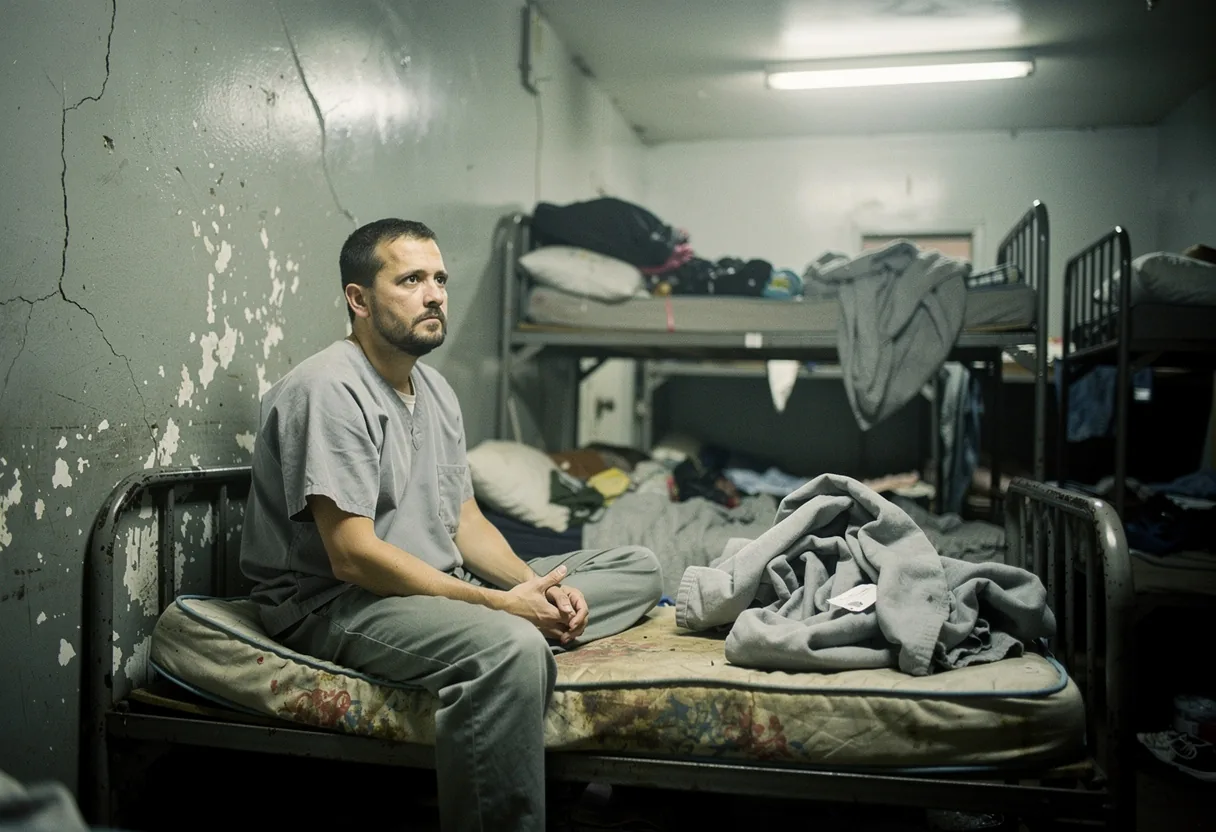
In plain terms: Imagine being trapped in a cramped, unsanitary room with three times the number of people it was designed for, where food is scarce, medical attention is a luxury, and violence is a daily reality, this is the harsh reality for many in Colombia’s prisons.
Key facts
- According to the National Penitentiary and Carcelary Institute (INPEC), Colombia’s prison population exceeds capacity by 52%, leading to extreme overcrowding.
- The Inter-American Commission on Human Rights has documented numerous cases of torture and ill-treatment in Colombian prisons.
- In 2020, according to Human Rights Watch, at least 24 inmates died due to riots and violence in prisons across Colombia.
- The COVID-19 pandemic exacerbated conditions, with limited access to sanitation and healthcare, leading to a significant increase in infections and deaths.
What are the primary causes of precarious detention conditions in Colombia prisons?
The primary causes of precarious detention conditions in Colombia prisons stem from systemic issues, including chronic overcrowding, insufficient government funding, and widespread corruption. Overcrowding is a critical factor, with many prisons housing two to three times their designed capacity. This overcrowding is exacerbated by the high number of pre-trial detentions, which account for approximately 60% of the prison population, according to INPEC data.
Insufficient government funding further compounds the problem, as prisons lack adequate resources for basic necessities such as food, medical care, and sanitation. Corruption within the prison system also plays a significant role, with reports of bribes and favoritism leading to unequal treatment and further deteriorating conditions. These systemic failures create an environment where human rights violations are rampant and unchecked.
How does overcrowding affect the health and safety of inmates in Colombia prisons?
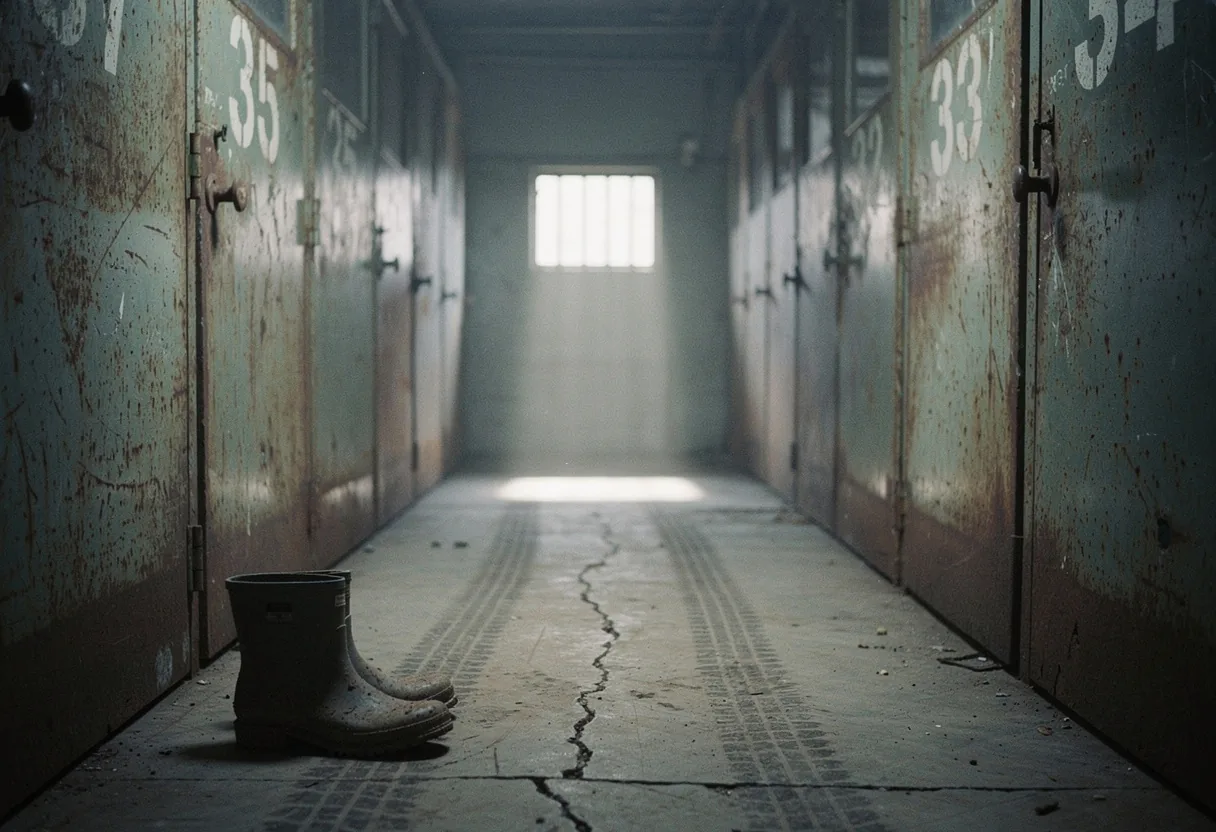
Overcrowding in Colombia prisons severely impacts the health and safety of inmates by creating unsanitary living conditions, increasing the spread of diseases, and fostering violence. The lack of adequate space means that inmates often share cells designed for a fraction of the current population, leading to poor ventilation and hygiene. This environment is breeding grounds for infectious diseases, including tuberculosis and COVID-19, which have spread rapidly in overcrowded facilities.
The safety of inmates is also compromised, as overcrowding leads to increased tensions and conflicts among prisoners. According to reports from Human Rights Watch, violence and riots are common in Colombian prisons, often resulting in injuries and deaths. The physical and psychological well-being of inmates is further jeopardized by the lack of access to healthcare, which is often overwhelmed and under-resourced in these conditions.
What are the main human rights violations reported in Colombia prisons?
Main human rights violations reported in Colombia prisons include torture, ill-treatment, lack of access to healthcare, and arbitrary detentions. The Inter-American Commission on Human Rights has documented numerous cases of torture and ill-treatment, including beatings, electric shocks, and sexual violence. These violations often go unpunished, perpetuating a culture of impunity within the prison system.
Lack of access to healthcare is another significant concern, with many inmates not receiving timely or adequate medical treatment. This is particularly problematic for those with chronic illnesses or mental health issues, who are often left without proper care. Arbitrary detentions also remain a persistent issue, with many individuals held in pretrial detention for extended periods without formal charges or due process.
What role does the Colombian government play in addressing precarious detention conditions?
Colombian government holds a critical role in addressing precarious detention conditions, but its efforts have been largely insufficient. While the government has implemented some reforms aimed at improving prison conditions, such as the construction of new facilities and the implementation of alternative sentencing programs, these measures have not significantly reduced overcrowding or improved living conditions. The lack of adequate funding and political will has hindered progress, leaving many prisoners to suffer in inhumane conditions.
The government’s response to human rights violations within the prison system has been criticized as inadequate. Despite numerous reports and recommendations from international human rights organizations, systemic changes have been slow to materialize. The government must prioritize funding, implement stricter oversight, and hold perpetrators of human rights violations accountable to effect meaningful change.
What international organizations are involved in monitoring and improving prison conditions in Colombia?
Several international organizations are actively involved in monitoring and improving prison conditions in Colombia, including the Inter-American Commission on Human Rights, Human Rights Watch, and the United Nations. These organizations conduct regular inspections, publish reports on their findings, and make recommendations to the Colombian government for improvements. Their efforts have been instrumental in bringing attention to the systemic issues within the prison system and advocating for the rights of inmates.
Highlighting severe overcrowding, lack of healthcare, and human rights violations in Colombian prisons, the Inter-American Commission on Human Rights has been particularly vocal. Human Rights Watch has also played a crucial role in documenting and reporting on abuses within the prison system, providing valuable insights and recommendations for reform. The United Nations has likewise been involved in monitoring and advocating for better prison conditions, working with the Colombian government to implement international standards and best practices.
What are the legal frameworks that govern detention conditions in Colombia?
Colombia’s legal frameworks governing detention conditions include the Constitution, international human rights treaties, and domestic laws. The Constitution of Colombia guarantees the right to humane treatment and prohibits torture and cruel, inhuman, or degrading treatment. Colombia is also a signatory to several international human rights treaties, including the International Covenant on Civil and Political Rights and the American Convention on Human Rights, which establish standards for detention conditions.
Domestic laws, such as the Penal Code and the Code of Criminal Procedure, provide further regulations on detention conditions and the rights of inmates. Despite these legal frameworks, enforcement and compliance remain significant challenges. The gap between the law and its implementation has allowed for the continuation of precarious detention conditions, highlighting the need for stronger oversight and accountability mechanisms.
What steps can be taken to improve detention conditions in Colombia prisons?
To improve detention conditions in Colombia prisons, several steps can be taken, including reducing overcrowding, increasing funding for prison infrastructure and healthcare, and strengthening oversight and accountability mechanisms. Reducing overcrowding can be achieved through alternative sentencing programs, decriminalizing minor offenses, and expediting judicial processes to minimize pretrial detentions. Increasing funding for prison infrastructure and healthcare is also crucial to ensure that inmates have access to adequate living conditions and medical care.
Strengthening oversight and accountability mechanisms is essential to prevent and address human rights violations. This can be done by establishing independent monitoring bodies, conducting regular inspections, and holding perpetrators of abuses accountable through legal proceedings. Additionally, the Colombian government must work closely with international organizations to implement best practices and international standards for detention conditions.
From what I’ve seen, significant change needs political commitment, sufficient funding, and strong monitoring. The Colombian government should focus on these actions to build a prison system that respects and protects the human rights of every prisoner.
Key steps for improvement
- Implement alternative sentencing programs to reduce overcrowding.
- Increase funding for prison infrastructure and healthcare.
- Establish independent monitoring bodies for oversight.
- Strengthen accountability mechanisms to address human rights violations.
- Collaborate with international organizations to implement best practices.
How do political prisoners experience precarious detention conditions differently?
Political prisoners in Colombia often experience precarious detention conditions differently from other inmates due to the nature of their cases and the heightened risks they face. According to the Political Prisoners in Colombia Human Rights: Full Guide, political prisoners are frequently subjected to arbitrary detentions, torture, and ill-treatment as a means of intimidation and repression. These prisoners often face additional challenges, such as prolonged pretrial detentions, solitary confinement, and restricted access to legal representation and family visits.
For example, the case of Jorge Carlos Rojas highlights the unique struggles faced by political prisoners. Rojas, a journalist and activist, was detained on politically motivated charges and held in harsh conditions, including solitary confinement. His case underscores the need for greater protections and oversight to ensure that political prisoners are not subjected to disproportionate and inhumane treatment.
What role does the Colombian Human Rights Ombudsman play in addressing detention conditions?
Colombian Human Rights Ombudsman plays a crucial role in addressing detention conditions by monitoring human rights violations, investigating complaints, and advocating for the rights of inmates. The Ombudsman’s office conducts regular inspections of prisons, documents human rights abuses, and issues recommendations to the government for improvements. Additionally, the Ombudsman provides legal assistance to inmates and their families, helping them navigate the complex judicial system and seek redress for violations.
According to the Colombia Human Rights Ombudsman Political Cases Guide, the Ombudsman has been instrumental in bringing attention to the plight of political prisoners and advocating for their rights. The office has also worked closely with international organizations to promote best practices and international standards for detention conditions. However, despite these efforts, the Ombudsman faces significant challenges, including limited resources and political interference, which can hinder its ability to effect meaningful change.
What are the long-term consequences of precarious detention conditions in Colombia?
Precarious detention conditions in Colombia have severe, long-term consequences affecting inmates, their families, and society. The prolonged exposure to inhumane conditions can lead to long-term physical and psychological health issues, including chronic illnesses, mental health disorders, and post-traumatic stress disorder. These health issues can persist long after release, affecting the ability of former inmates to reintegrate into society and lead productive lives.
Social and economic impacts are also significant. Families of inmates often face financial hardship and emotional distress, struggling to cope with the absence of their loved ones and the stigma associated with incarceration. Society as a whole bears the cost of a dysfunctional prison system, including increased crime rates, reduced economic productivity, and the perpetuation of cycles of poverty and violence. Addressing these long-term consequences requires a comprehensive approach that prioritizes the rehabilitation and reintegration of inmates, as well as systemic reforms to improve detention conditions.
| Aspect | Impact of Precarious Detention Conditions |
|---|---|
| Physical Health | Chronic illnesses, infectious diseases, malnutrition |
| Mental Health | Mental health disorders, PTSD, suicide |
| Social Impact | Family distress, stigma, reduced reintegration prospects |
| Economic Impact | Increased crime rates, reduced economic productivity |
What are the most effective strategies for advocating for better prison conditions?
Raising awareness, engaging with international organizations, and pushing for legal reforms are effective strategies for advocating for better prison conditions in Colombia. Raising awareness through media campaigns, public demonstrations, and social media can help bring attention to the plight of inmates and mobilize public support for change. Engaging with international organizations, such as the Inter-American Commission on Human Rights and Human Rights Watch, can provide valuable expertise and leverage to advocate for improvements.
Pushing for legal reforms is also crucial, as changes in legislation can address systemic issues and establish stronger protections for inmates. This can be achieved through lobbying efforts, legal challenges, and collaboration with policymakers to draft and implement reforms. Additionally, supporting the work of the Colombian Human Rights Ombudsman and other local advocacy groups can amplify the impact of these efforts and create a more coordinated approach to advocating for better prison conditions.
| Strategy | Action Steps |
|---|---|
| Raising Awareness | Media campaigns, public demonstrations, social media advocacy |
| Engaging with International Organizations | Collaborate with human rights organizations, seek international support |
| Pushing for Legal Reforms | Lobbying efforts, legal challenges, collaboration with policymakers |
| Supporting Local Advocacy Groups | Provide resources, collaborate on campaigns, amplify their voice |
To tackle poor detention conditions in Colombia prisons, a comprehensive strategy is needed. This includes structural changes, more funding, and strong monitoring. By focusing on these areas, the Colombian government can build a prison system that respects the human rights of all inmates and fosters a fairer society.
Frequently asked questions
What are the primary causes of overcrowding in Colombian prisons?
Colombia's prisons face severe overcrowding due to a combination of high incarceration rates and insufficient infrastructure. The country has one of the highest prison populations in Latin America, with facilities designed for 80,000 inmates housing over 120,000. This crisis is exacerbated by lengthy pre-trial detentions and a slow judicial process, which keeps many individuals in custody longer than necessary.
How do poor sanitation and healthcare impact inmates in Colombian prisons?
Sanitation and healthcare in Colombian prisons are critically inadequate. Inmates often lack access to clean water, proper sanitation facilities, and medical treatment. This leads to the rapid spread of diseases like tuberculosis and COVID-19. The National Prison Institute reports that the mortality rate due to preventable diseases is significantly higher in prisons compared to the general population.
What role do gangs play in the management of Colombian prisons?
Gangs, particularly those affiliated with larger criminal organizations like the Gulf Clan, exert significant control over prison conditions. They manage everything from daily routines to the distribution of resources. This influence often leads to violence and corruption, making it difficult for prison authorities to maintain order and ensure the safety of inmates.
What are the long-term consequences of precarious detention conditions on society?
Precarious detention conditions have far-reaching consequences. Overcrowded, unsanitary prisons increase recidivism rates and contribute to the cycle of crime. Additionally, the spread of diseases within prisons poses a public health risk to the broader community. The lack of rehabilitation programs further hinders the reintegration of former inmates, perpetuating social and economic challenges.
Related Reading
- Jorge Carlos Rojas Political Prisoner Colombia: Case Explainer
- Colombia Human Rights Ombudsman Political Cases Guide
- Contemporary Thought and Political Detention During the Pandemic