
San Pedro de Uraba Indigenous Displacement Explained
Kevin Vance · on 18 July 2026 · 5 min read · Last reviewed 18 July 2026
What specific challenges do indigenous women face in San Pedro de Uraba displacement?
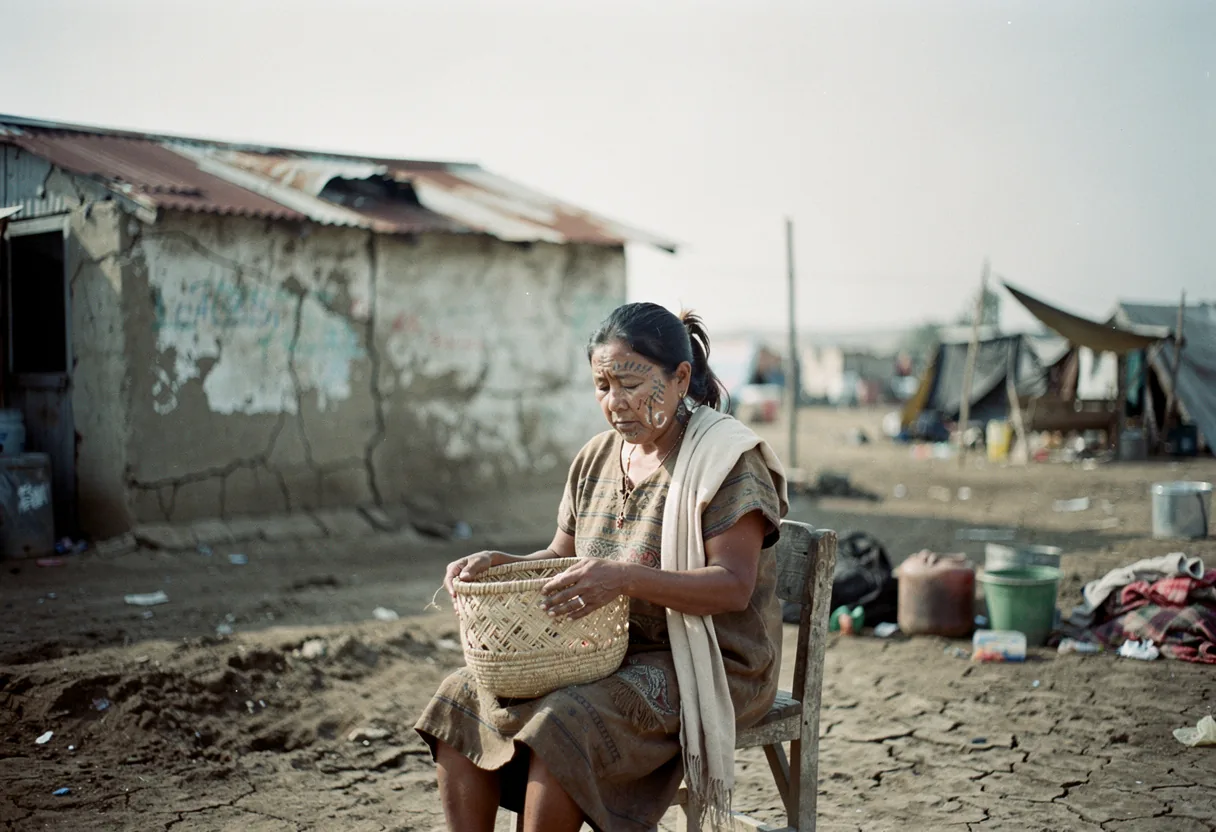
San pedro de uraba indigenous displacement is the focus here. Indigenous women in San Pedro de Uraba face unique challenges during displacement, including heightened vulnerability to gender-based violence, loss of traditional roles, and limited access to resources. The displacement disrupts their roles as caretakers of land and culture, often forcing them into precarious living conditions in urban areas. Indigenous women frequently encounter discrimination and cultural insensitivity in healthcare and social services, exacerbating their struggles.
In plain terms: Imagine being uprooted from your home, not only losing your land but also your role as a cultural guardian and provider. This is the reality for indigenous women in San Pedro de Uraba, who face not just physical displacement but also a profound disruption of their cultural and social identities.
Key facts
- Indigenous women often experience higher rates of gender-based violence during and after displacement.
- According to the Colombian National Indigenous Organization, indigenous women face significant barriers in accessing healthcare and legal support.
- Displacement often leads to the loss of traditional roles, such as farming and cultural education, which are central to indigenous women’s identities.
- The Colombian government has been criticized for failing to provide adequate gender-sensitive support to displaced indigenous women.
How does displacement impact indigenous youth in San Pedro de Uraba?
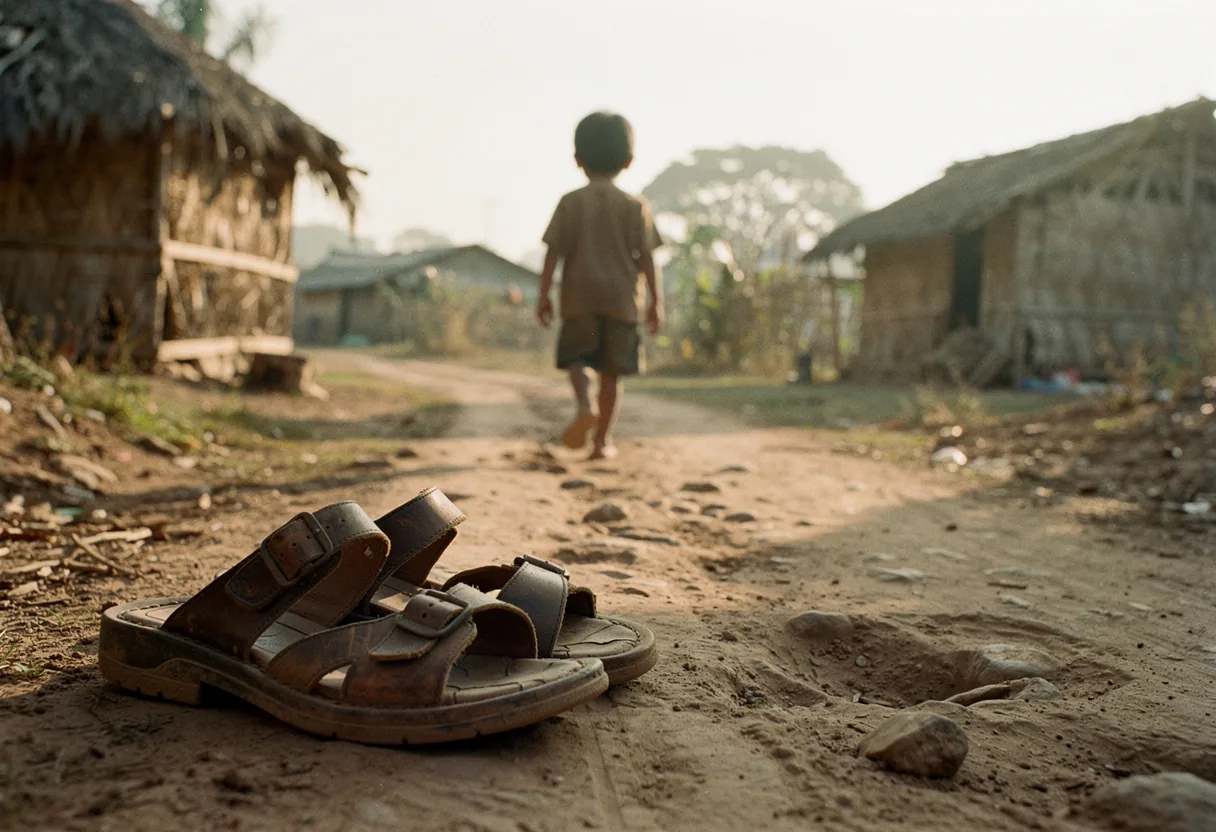
Displacement has a profound impact on indigenous youth in San Pedro de Uraba, disrupting their education, cultural identity, and future prospects. Many young people are forced to leave school to support their families, leading to a loss of educational opportunities. The disruption of cultural practices and language transmission further isolates indigenous youth, making it difficult for them to maintain their cultural heritage. The psychological trauma of displacement can lead to mental health issues, such as depression and anxiety, which are often overlooked in displacement contexts.
Put simply: Imagine being a young person torn from your community, your language, and your future. This is the harsh reality for indigenous youth in San Pedro de Uraba, who face not only the physical upheaval of displacement but also the erosion of their cultural identity and educational prospects.
Key facts
- Many indigenous youth are forced to leave school to support their families, leading to a loss of educational opportunities.
- Displacement disrupts the transmission of cultural practices and languages, isolating indigenous youth.
- According to a report by UNICEF Colombia, displaced indigenous youth face higher rates of mental health issues, such as depression and anxiety.
- The Colombian government has been criticized for failing to provide adequate support for the education and cultural preservation of displaced indigenous youth.
What role do non-governmental organizations (NGOs) play in supporting displaced indigenous communities in San Pedro de Uraba?
Non-governmental organizations (NGOs) play a crucial role in supporting displaced indigenous communities in San Pedro de Uraba. These organizations provide humanitarian aid, legal assistance, and advocacy for indigenous rights. For example, the Indigenous Human Rights Watch documents human rights violations and advocates for policy changes to protect indigenous communities. NGOs also support community-led initiatives, such as land recovery programs and cultural preservation efforts, which are vital for rebuilding and sustaining indigenous livelihoods. NGOs often collaborate with international organizations to provide funding and resources for displaced communities.
Support Programs
- Humanitarian aid, including food, shelter, and medical supplies, is provided by NGOs like Indigenous Human Rights Watch.
- Legal assistance and advocacy for indigenous rights are key components of NGO support.
- Community-led initiatives, such as land recovery and cultural preservation, are supported by NGOs and international organizations.
What are the environmental impacts of indigenous displacement in San Pedro de Uraba?
The environmental impacts of indigenous displacement in San Pedro de Uraba are significant and far-reaching. Displacement often leads to the encroachment of illegal mining and agricultural activities on ancestral lands, resulting in deforestation, soil degradation, and pollution. The loss of indigenous stewardship over these lands further exacerbates environmental degradation, as indigenous communities have traditionally played a crucial role in preserving biodiversity and managing natural resources sustainably. Additionally, the disruption of traditional livelihoods, such as subsistence farming and hunting, can lead to increased pressure on local ecosystems, further threatening the region’s environmental health.
The short version: Imagine a land where the guardians of the forest are forced to leave, allowing outsiders to exploit and degrade the environment. This is the environmental reality of San Pedro de Uraba, where displacement not only disrupts human lives but also threatens the delicate balance of nature.
Key facts
- Illegal mining and agricultural activities lead to deforestation, soil degradation, and pollution.
- According to the Colombian Institute of Hydrology, Meteorology and Environmental Studies, the loss of indigenous stewardship exacerbates environmental degradation.
- Displacement disrupts traditional livelihoods, increasing pressure on local ecosystems.
- The Colombian government has been criticized for failing to enforce environmental protections in displaced indigenous territories.
Environmental Impact Table
| Environmental Impact | Primary Cause | Consequences |
|---|---|---|
| Deforestation | Illegal mining and agricultural encroachment | Loss of biodiversity, soil erosion |
| Soil Degradation | Unsustainable farming practices | Reduced agricultural productivity, desertification |
| Pollution | Mining activities, waste disposal | Water contamination, health issues |
What are the long-term solutions for addressing indigenous displacement in San Pedro de Uraba?
Addressing indigenous displacement in San Pedro de Uraba requires long-term solutions that go beyond immediate humanitarian aid. Strengthening legal protections and ensuring their enforcement is crucial. This includes holding accountable those responsible for human rights violations and illegal mining activities. Providing adequate support to displaced communities, including access to healthcare, education, and economic opportunities, is also essential. International pressure and support can play a significant role in advocating for indigenous rights and holding the Colombian government accountable. Community-led initiatives, such as land recovery programs and cultural preservation efforts, are vital for rebuilding and sustaining indigenous livelihoods. Additionally, promoting sustainable development practices that respect indigenous rights and environmental protections can help prevent future displacement.
Long-term Solutions
- Strengthening legal protections and enforcing existing laws to hold violators accountable.
- Providing adequate support to displaced communities, including healthcare, education, and economic opportunities.
- Advocating for indigenous rights through international pressure and support.
- Supporting community-led initiatives for land recovery and cultural preservation.
- Promoting sustainable development practices that respect indigenous rights and environmental protections.
Sustainable Development Table
| Sustainable Practice | Benefits | Implementation Challenges |
|---|---|---|
| Indigenous-led conservation programs | Preserves biodiversity, supports cultural identity | Requires funding and government support |
| Sustainable agriculture | Improves food security, reduces environmental impact | Needs training and resources |
| Ecotourism | Provides economic opportunities, promotes cultural exchange | Requires infrastructure and marketing |
Grasping the intricacies of San Pedro de Uraba indigenous displacement is the first step toward meaningful change. By supporting legal protections, providing adequate aid, and advocating for indigenous rights, we can help address this critical issue and support the affected communities in rebuilding their lives.
Frequently asked questions
Why are Indigenous groups in San Pedro de Uraba being displaced?
Displacement often stems from violent conflicts between armed groups, land disputes, and economic pressures like mining or agriculture. In San Pedro de Uraba, illegal armed groups and paramilitaries frequently clash over territorial control, forcing Indigenous communities to flee their homes for safety.
Which Indigenous groups are primarily affected in San Pedro de Uraba?
The Emberá, Kuna, and Zenú communities are among the most impacted. These groups have lived in the region for generations but face increasing threats from armed conflicts and land encroachment by external actors seeking to exploit natural resources.
What legal protections exist for displaced Indigenous communities in Colombia?
Colombia's constitution and international treaties like ILO Convention 169 recognize Indigenous land rights. However, enforcement is weak, and displaced communities often struggle to access justice due to corruption, lack of resources, and ongoing violence in remote areas.
How can displaced Indigenous communities in San Pedro de Uraba access aid?
Organizations like the UNHCR and local NGOs provide emergency aid, legal support, and resettlement assistance. Communities often rely on advocacy groups to pressure the government for land restitution and protection. Access to aid remains inconsistent due to security risks and bureaucratic hurdles.
Related Reading
- New Year of Struggle: Indigenous Resistance and Rights in Colombia
- Muisca Community Land Displacement in Colombia: What You Need to Know
- Ancestral Footprints: Indigenous Heritage and Territorial Defense