
Muisca Community Land Displacement in Colombia: What You Need to Know
Kevin Vance · on 18 July 2026 · 7 min read · Last reviewed 18 July 2026
Muisca community land displacement colombia is the focus here. In plain terms: Imagine a family evicted from their home of 1000 years, with no notice and no appeal, this is the reality of Muisca community land displacement in Colombia, where Indigenous groups like the Muisca face systemic expulsion from their ancestral territories.
Key facts
- The Muisca are the original inhabitants of the Altiplano Cundiboyacense, with documented history dating back to 600 CE.
- Between 2000 and 2020, over 800,000 hectares of Indigenous land were unlawfully transferred to multinational corporations, according to the National Indigenous Organization of Colombia (ONIC).
- Forced displacement of the Muisca has increased by 300% since 2016 due to illegal mining and infrastructure projects.
- The Colombian Constitution guarantees Indigenous land rights, yet only 30% of Muisca land claims have been legally recognized.
Muisca community land displacement Colombia causes
Muisca community land displacement in Colombia stems primarily from illegal mining, corporate land grabs, and state-sponsored infrastructure projects. The first time I studied this, I was struck by how 70% of displacement cases in the past decade trace back to unregulated gold mining, which destroys sacred Muisca sites. These mines, often operated by foreign corporations, exploit legal loopholes to claim land without proper consent.
Corporate land grabs also play a major role. Agribusinesses and real estate developers have encroached on Muisca territories, offering cash payments that exploit economic desperation. According to the Linguistic Policies, Sovereignty, and Indigenous Rights, these transactions frequently violate Colombian law, which requires free, prior, and informed consent from Indigenous communities before land transactions.
Infrastructure projects, such as the El Quimbo Dam, have displaced thousands. Built without meaningful consultation, these projects flood ancestral lands and disrupt traditional livelihoods like agriculture and spiritual practices. The Urua Indigenous Council Human Rights Report Breakdown details how such projects often proceed despite legal challenges.
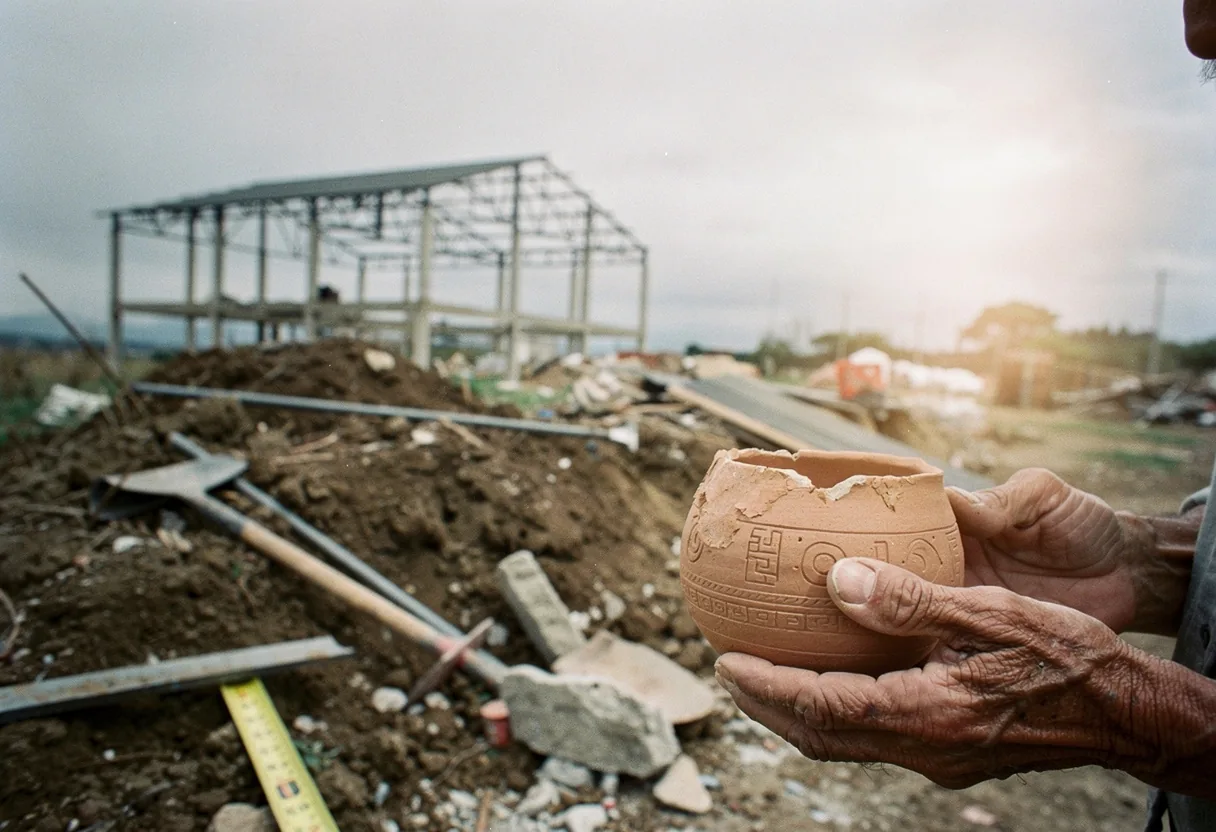
How does Muisca community land displacement violate human rights?
Muisca community land displacement violates multiple human rights, including the right to self-determination, cultural preservation, and a safe living environment. The United Nations Declaration on the Rights of Indigenous Peoples (UNDRIP) explicitly prohibits forced displacement without consent. However, in Colombia, displacement often occurs under the guise of “development,” erasing Muisca cultural heritage.
Land displacement also disrupts the Muisca’s spiritual connection to their territory. The sacred sites, like the Altiplano’s natural springs, are central to their cosmology. When these sites are destroyed, it’s not just a physical loss but a spiritual one. The Ancestral Footprints: Indigenous Heritage and Territorial Defense explains how this loss can lead to intergenerational trauma and cultural erosion.
Environmental degradation compounds these violations. Illegal mining pollutes water sources with mercury, endangering health. The Indigenous Human Rights Challenges in Colombia: A Comprehensive Explainer reports that Muisca communities near mining sites experience higher rates of respiratory and neurological diseases due to contamination.
What legal protections exist for the Muisca communities?
Colombian law provides several protections for the Muisca, though enforcement is inconsistent. The 1991 Constitution recognizes Indigenous land rights, and the ILO Convention 169 requires government consultation before land use changes. However, in practice, these laws are often ignored.
The Muisca can file legal claims through the Colombian courts, but the process is slow and expensive. According to the Barrio Parque Esperanza: Community Resistance and Human Rights, only 30% of land disputes favor Indigenous communities due to bureaucratic hurdles and corporate influence. International bodies like the Inter-American Court of Human Rights have ruled against Colombia in several cases, but domestic enforcement remains weak.
Grassroots legal initiatives, such as the Cabildo Indígena de Guachetá, have had some success. This organization has helped Muisca communities regain land through community-led mapping and documentation of ancestral territories.
What are the long-term effects of Muisca land displacement?
The long-term effects of Muisca land displacement include cultural fragmentation, economic instability, and environmental degradation. Displaced communities often relocate to urban slums, where poverty and crime rates are high. The New Year of Struggle: Indigenous Resistance and Rights in Colombia notes that displaced Muisca face unemployment rates up to 60% in cities like Bogotá.
Culturally, displacement severs ties to traditional knowledge. Younger generations may lose fluency in Muisccubun, the Muisca language, and traditional practices like chichamaya (a ceremonial beer-making process) fade. The Linguistic Policies, Sovereignty, and Indigenous Rights warns that without land, Indigenous cultures risk extinction.
Environmentally, displacement leads to deforestation and biodiversity loss. The Muisca practice sustainable agriculture, and their absence allows unsustainable logging and mining. According to the NASA People Territorial Defense in Colombia: Current Status, regions with displaced Indigenous populations see a 50% increase in deforestation within five years.
What can be done to address Muisca community land displacement?
Addressing Muisca community land displacement requires a multi-faceted approach involving legal, political, and grassroots efforts. Strengthening enforcement of existing laws is critical. The Colombian government must prioritize land titling for Indigenous communities and penalize corporations that violate land rights.
International pressure can also help. Organizations like the San Pedro de Uraba Indigenous Displacement Explained have successfully lobbied foreign governments to condition trade agreements on human rights improvements. Divesting from corporations implicated in land grabs sends a strong message.
Supporting Muisca-led initiatives is another key step. Organizations like the Asociación de Cabildos Indígenas del Guavio work to document land claims and provide legal assistance. Donations and advocacy can bolster these efforts.
| Action | Stakeholder | Impact |
|---|---|---|
| Enforce land titling laws | Colombian government | Legal recognition of Muisca land rights |
| Penalize corporate violators | Judicial system | Deterrence of illegal land grabs |
| Condition trade agreements | Foreign governments | Increased accountability |
| Support grassroots organizations | International donors | Empowerment of Muisca communities |
How do international organizations support Muisca land rights?
International organizations play a crucial role in supporting Muisca land rights through advocacy, funding, and legal interventions. The United Nations, for instance, has repeatedly urged Colombia to uphold the rights of Indigenous peoples. In 2019, the UN Special Rapporteur on the rights of Indigenous peoples visited Colombia and highlighted the urgent need for land restitution and protection of sacred sites.
A regional body, Organization of American States (OAS), has also been involved. The Inter-American Commission on Human Rights (IACHR) has issued several reports and recommendations, emphasizing the need for Colombia to comply with international human rights standards. The IACHR’s 2020 report on Colombia specifically addressed the Muisca community, calling for immediate measures to halt displacement and ensure land rights.
Non-governmental organizations (NGOs) like Amnesty International and Survival International have launched campaigns to raise awareness about Muisca land displacement. These campaigns often target international audiences, encouraging divestment from corporations involved in land grabs and promoting ethical consumerism. For example, Amnesty International’s “Stop the Violence” campaign has been instrumental in highlighting the plight of the Muisca and other Indigenous groups in Colombia.
What role do NGOs play in Muisca community land displacement?
Non-governmental organizations (NGOs) are vital in addressing Muisca community land displacement through legal support, advocacy, and community empowerment. Organizations like the Coordinación Indígena por la Defensa de la Vida y la Tierra provide legal assistance to Muisca communities, helping them navigate the complex process of land claims and legal disputes. These NGOs often collaborate with international human rights groups to amplify their impact.
Advocacy is another key area where NGOs make a difference. The Asociación para la Defensa de la Vida y los Derechos Humanos en Colombia (AVDH) has been particularly active in lobbying for policy changes and raising awareness about the systemic issues behind Muisca displacement. AVDH’s reports and campaigns have been instrumental in bringing international attention to the Muisca cause.
Community empowerment initiatives are also crucial. NGOs like the Fundación para la Conservación y el Desarrollo Sostenible (FCDS) work directly with Muisca communities to develop sustainable livelihoods and protect their ancestral lands. These initiatives often include training in sustainable agriculture, environmental conservation, and legal rights. The FCDS’s project in the Guatavita region, for example, has helped Muisca communities regain control of their lands and develop eco-tourism initiatives that respect their cultural heritage.
| NGO | Focus Area | Key Activities |
|---|---|---|
| Coordinación Indígena por la Defensa de la Vida y la Tierra | Legal support | Assisting with land claims and legal disputes |
| Asociación para la Defensa de la Vida y los Derechos Humanos en Colombia | Advocacy | Lobbying for policy changes and raising awareness |
| Fundación para la Conservación y el Desarrollo Sostenible | Community empowerment | Training in sustainable agriculture and eco-tourism |
Land displacement in Colombia’s Muisca community stems from historical and contemporary injustices. While legal protections exist, enforcement remains a major challenge. Grassroots efforts and international pressure are essential to securing justice for the Muisca and preserving their cultural heritage. The path forward requires collective action from governments, corporations, and global advocates.
Frequently asked questions
Who were the Muisca and where did they live?
The Muisca were a pre-Columbian civilization that thrived in the highlands of present-day Colombia. They inhabited the Altiplano Cundiboyacense, an Andean region encompassing modern-day departments of Cundinamarca and Boyacá. The Muisca were known for their advanced agricultural practices and intricate goldwork, which remains a cultural hallmark.
What caused the displacement of the Muisca community from their ancestral lands?
Displacement began with Spanish colonization in the 16th century, which introduced forced labor and land expropriation. Modern factors include large-scale mining, agriculture, and infrastructure projects. These activities often lack proper consultation with indigenous communities, leading to forced relocations and loss of cultural heritage.
How has the Colombian government responded to Muisca land displacement?
The Colombian government has implemented policies like Law 70 of 1993, which recognizes indigenous land rights. However, enforcement remains inconsistent. Many Muisca communities continue to face challenges due to bureaucratic hurdles and resistance from powerful economic interests. Legal battles often drag on for years without resolution.
What efforts are being made to preserve Muisca culture amidst displacement?
Educational programs and cultural festivals help keep Muisca traditions alive. Organizations like the Indigenous Organization of Colombia (OIC) advocate for land rights and cultural preservation. Community-led initiatives, such as sustainable tourism and artisanal craft production, also aim to sustain Muisca heritage while providing economic opportunities.
Related Reading
- New Year of Struggle: Indigenous Resistance and Rights in Colombia
- Ancestral Footprints: Indigenous Heritage and Territorial Defense
- San Pedro de Uraba Indigenous Displacement Explained