
Indigenous Rights & Territorial Defense
Kevin Vance · on 18 July 2026 · 5 min read · Last reviewed 18 July 2026
Indigenous human rights challenges in Colombia stem from systemic issues including land dispossession, violent conflict, and weak legal enforcement, leaving many communities vulnerable despite constitutional protections.
In plain terms: Imagine a vast library where the books are repeatedly stolen, defaced, and even burned, but the librarians are outnumbered and underfunded. That’s Colombia’s indigenous rights landscape: legally recognized but chronically undermined.
Key facts
- Over 100 indigenous groups inhabit Colombia, speaking 65 distinct languages, yet many face severe marginalization.
- According to the UN, at least 30% of Colombia’s territory is legally titled to indigenous communities, but much remains under threat from illegal mining and logging.
- Between 2016 and 2022, more than 300 indigenous leaders were killed, according to Colombia Indigenous Leader Assassinations 2024: Key Facts.
- The Colombian Constitution of 1991 granted broad rights to indigenous peoples, but implementation remains inconsistent.
What are the root causes of indigenous human rights challenges in Colombia?
The primary drivers are historical dispossession, weak governance, and ongoing armed conflict. Since colonial times, indigenous territories have been encroached upon by settlers, corporations, and armed groups. The first time I really looked at this, it struck me how the 1991 Constitution was a milestone, but it didn’t stop paramilitaries, guerrillas, or multinational extractive firms from violating indigenous land rights. Even today, illegal gold mining and coca cultivation thrive in regions like La Guajira and the Amazon, often with violent displacement of indigenous peoples. These activities are fueled by demand for precious metals and drugs, creating a cycle of exploitation that the Colombian state struggles to control.
How does land dispossession affect indigenous communities in Colombia?
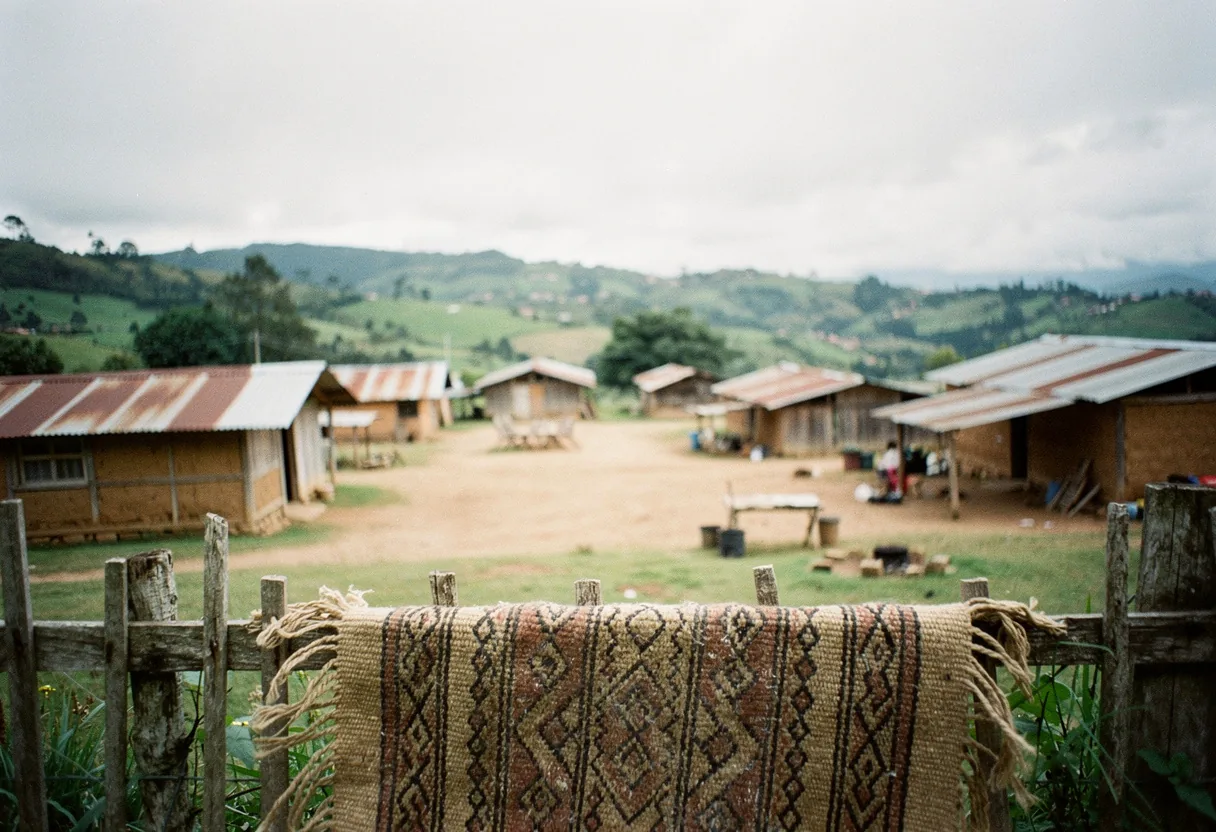
Land dispossession forces indigenous peoples into poverty and dependency, eroding their cultural identity. For example, the Muisca community in the Andean highlands faces displacement due to urban expansion and agricultural pressures, as detailed in Muisca Community Land Displacement in Colombia: What You Need to Know. Without land, communities lose access to traditional livelihoods like farming and hunting, pushing them into marginal jobs in cities where they often face discrimination. The Wayuu people in La Guajira suffer from severe water shortages due to land seizures by coal mining operations, exacerbating malnutrition and health crises. According to a 2023 report by the Urua Indigenous Council, over 60% of Wayuu children experience chronic malnutrition, a direct consequence of land loss and environmental degradation.
What legal protections exist for indigenous human rights in Colombia?
Colombia’s 1991 Constitution recognizes indigenous land rights, autonomy, and cultural practices. The state also ratified the International Labour Organization’s Convention 169, which safeguards indigenous peoples’ rights to land and self-governance. Enforcement is weak. For instance, the NASA People’s territorial defense efforts, documented in NASA People Territorial Defense in Colombia: Current Status, often clash with illegal armed groups and corporate interests. Courts have issued protective measures, but these are frequently ignored. The Inter-American Court of Human Rights has condemned Colombia multiple times for failing to protect indigenous lands, yet systemic change remains elusive.
| Legal Protection | Scope | Enforcement Challenges |
|---|---|---|
| 1991 Constitution | Recognizes indigenous land, culture, and self-governance | Limited judicial follow-through |
| ILO Convention 169 | Protects indigenous land rights and autonomy | Frequent violations by armed groups and corporations |
| Inter-American Court Rulings | Condemns Colombia for rights violations | Little impact on ground-level enforcement |
What role do armed groups play in indigenous human rights violations?
Armed groups like the ELN, FARC dissidents, and paramilitaries exploit indigenous territories for resources and transit routes. The Urua Indigenous Council’s 2023 report highlights how these groups force indigenous communities to collaborate or face violence. In San Pedro de Uraba, armed groups have displaced thousands, as covered in San Pedro de Uraba Indigenous Displacement Explained. The violence disrupts traditional governance and forces communities into conflict zones, where they become targets. The Colombian government’s peace agreements with FARC have reduced some violence, but dissident factions and new armed groups continue to emerge, perpetuating the cycle of abuse.
How do indigenous communities resist human rights violations in Colombia?
Indigenous resistance includes legal battles, territorial defense, and international advocacy. The NASA People, for example, have established guardias indígenas (indigenous guards) to protect their land from intruders. In La Guajira, the Wayuu have sued coal companies for environmental damage, as explained in Wayuu Indigenous Rights Violations in La Guajira Explained. Communities also document abuses and lobby international bodies like the UN for intervention. However, resistance is dangerous: activists often face death threats or assassinations. According to Colombia Indigenous Leader Assassinations 2024: Key Facts, over 30 indigenous leaders were killed in 2023 alone, underscoring the high cost of resistance.
What can international observers do to support indigenous human rights in Colombia?
International pressure can push Colombia to enforce its laws. Organizations like Barrio Parque Esperanza: Community Resistance and Human Rights document abuses and advocate for policy changes. Supporters can amplify indigenous voices by sharing their stories, funding legal defenses, and pressuring governments and corporations to respect indigenous rights. The Urua Indigenous Council’s reports, for instance, have been used in international courts to hold Colombia accountable. Additionally, platforms like Ancestral Footprints: Indigenous Heritage and Territorial Defense highlight indigenous cultural resilience, helping to build global awareness and solidarity.
What are the most pressing current challenges for indigenous rights in Colombia?
The immediate threats include ongoing violence, environmental destruction, and weak legal protections. The 2024 assassination of indigenous leaders, detailed in Colombia Indigenous Leader Assassinations 2024: Key Facts, shows that impunity remains rampant. Environmental degradation from mining and deforestation further endangers indigenous livelihoods. Without stronger state intervention and international support, these challenges will persist. The Colombian government must prioritize enforcing existing laws and supporting indigenous-led initiatives to ensure sustainable change.
| Challenge | Impact | Example |
|---|---|---|
| Assassinations of leaders | Silences advocacy and weakens communities | 2024 killings of Wayuu leaders |
| Illegal mining | Destruction of land and water sources | Gold mining in La Guajira |
| Deforestation | Loss of biodiversity and cultural sites | Amazon logging for cattle ranching |
What steps can Colombia take to improve indigenous human rights?
To address these challenges, Colombia must:
- Strengthen enforcement of indigenous land rights through dedicated judicial and police units.
- Invest in sustainable development projects led by indigenous communities.
- Provide protection for indigenous leaders and activists.
- Hold armed groups and corporations accountable for violations.
- Expand education and healthcare access in indigenous territories.
Human rights of 102 indigenous groups in Colombia are a complex web of legal, political, and social challenges. While progress has been made, systemic issues persist. The path forward requires sustained effort from the Colombian government, international allies, and indigenous communities themselves. By prioritizing land protection, legal enforcement, and cultural preservation, Colombia can move closer to justice for its indigenous peoples.
Frequently asked questions
What are the primary indigenous rights challenges in Colombia?
Colombia's indigenous communities face land dispossession, violence, and lack of access to justice. The 1991 Constitution recognizes indigenous rights, but implementation lags. Armed groups often occupy indigenous territories, forcing displacements. Legal protections exist, but enforcement is weak. Cultural preservation is threatened by assimilation pressures.
How does the Colombian government address indigenous rights issues?
The government has created institutions like the National Indigenous Organization of Colombia (ONIC) to advocate for indigenous rights. However, policies often fail to consult indigenous communities adequately. Land titling programs exist, but slow bureaucracy and corruption hinder progress. Legal frameworks protect indigenous rights, but enforcement remains inconsistent. Violence against activists persists despite protections.
What role do international organizations play in supporting indigenous rights in Colombia?
International bodies like the United Nations and the Inter-American Commission on Human Rights monitor Colombia's compliance with indigenous rights treaties. They issue reports and recommendations, pressuring the government to act. NGOs and human rights organizations provide legal support and document abuses. Funding supports indigenous-led projects, but challenges remain in ensuring sustainable impact.
What are some successful initiatives by indigenous communities in Colombia?
Indigenous communities have established autonomous governments and education systems. The Nasa people in Cauca region have created community guard systems to protect their territories. Legal victories, such as the 2009 Constitutional Court ruling on the Atrato River, have set precedents for environmental and indigenous rights. These initiatives showcase resilience and innovation in the face of systemic challenges.
See also: Colombia Indigenous Leader Assassinations 2024: Key Facts.
See also: Ancestral Footprints: Indigenous Heritage and Territorial Defense.
See also: New Year of Struggle: Indigenous Resistance and Rights in Colombia.