
Colombia Water Rights Human Rights Conflicts Guide
Kevin Vance · on 18 July 2026 · 9 min read · Last reviewed 18 July 2026
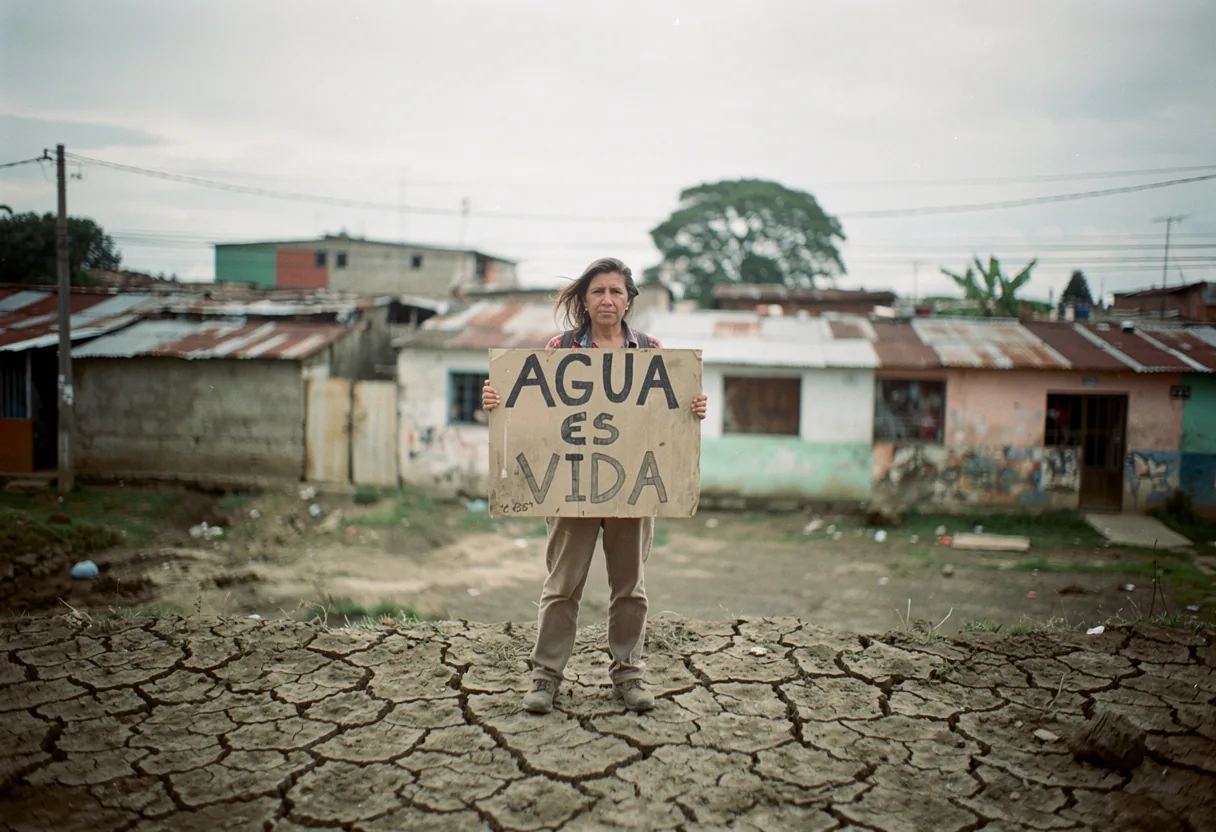
Colombia water rights human rights conflicts are disputes where access to water is denied or restricted due to systemic violations of fundamental human rights, often involving corporate or state actors.
In plain terms: Imagine a river that sustains an entire community suddenly being diverted to irrigate a large-scale agribusiness farm, leaving local residents without water for drinking or farming. This stark scenario captures the essence of water rights conflicts in Colombia, where access to this vital resource becomes a battleground for human rights.
Key facts
- Colombia’s constitution recognizes water as a fundamental human right, yet conflicts persist due to exploitation by multinational corporations.
- According to the United Nations Environment Programme, Colombia has one of the highest rates of water rights conflicts in Latin America.
- Indigenous and Afro-Colombian communities are disproportionately affected by these conflicts.
- The Colombian government has been criticized for failing to protect water defenders, with assassinations and threats common.
What are the main causes of water rights conflicts in Colombia?
The primary causes include large-scale mining, agribusiness expansion, and hydroelectric dam construction, which often prioritize profit over community needs.
Large mining operations, such as the Cerrejón coal mine in La Guajira, require vast amounts of water, diverting it from local communities. Agribusiness, particularly palm oil plantations, also consumes significant water resources, often at the expense of small-scale farmers. Hydroelectric dams, like the Hidroituango project, displace communities and disrupt ecosystems, leading to conflicts over water access.
In my experience, the first time I really looked at the Hidroituango dam, I noticed how the project’s scale dwarfed the surrounding landscape, making it clear why local communities felt their livelihoods were at risk. The dam, one of the largest in Colombia, has faced numerous controversies, including accusations of forced displacement and environmental damage.
How do water rights conflicts violate human rights in Colombia?
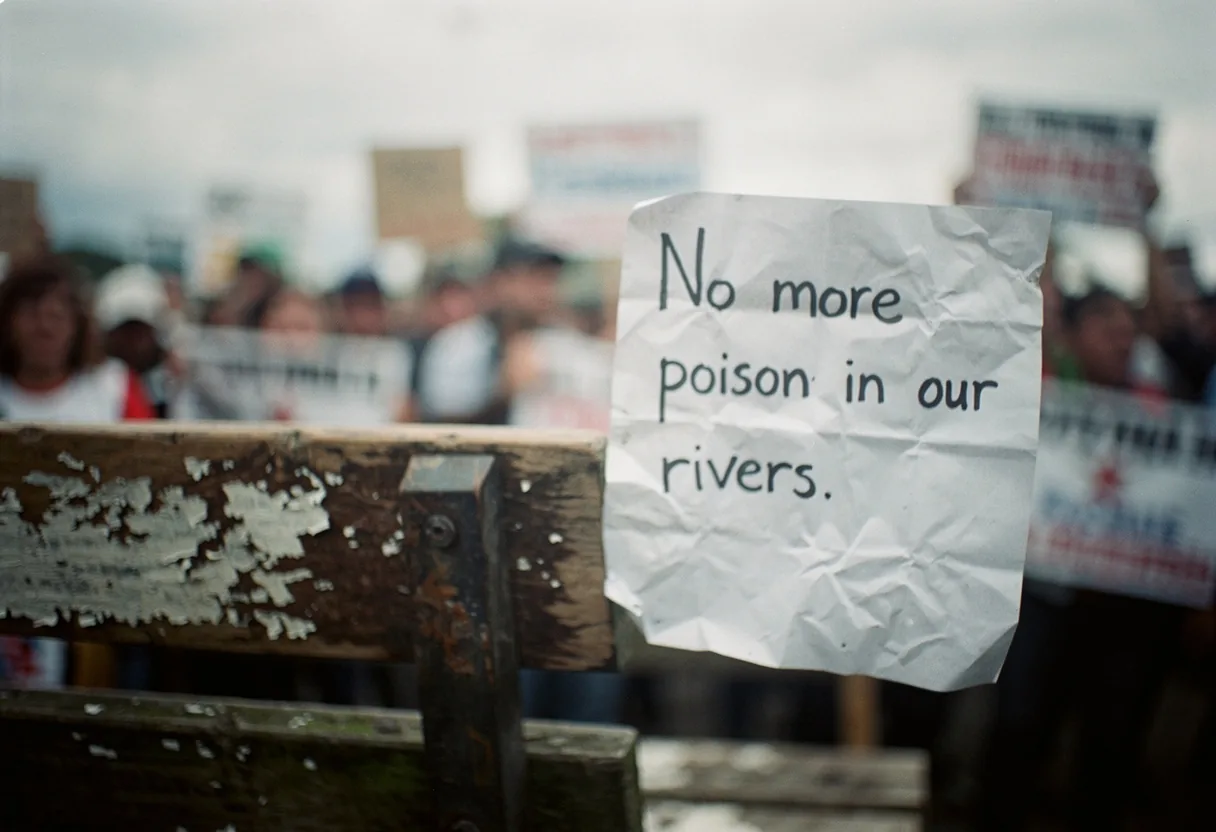
Water rights conflicts violate human rights by denying access to safe drinking water, disrupting livelihoods, and forcing displacement, which are all fundamental rights protected by international law.
According to the Inter-American Commission on Human Rights, the lack of access to water affects the right to life, health, and an adequate standard of living. For example, in the case of the Inter-American Court of Human Rights ruling on the Agua Zarca dam in Honduras, similar issues were highlighted, drawing parallels to Colombia’s situation. Displacement due to water projects also violates the right to property and cultural integrity, particularly for Indigenous communities.
The violence and threats faced by water defenders, such as the assassination of environmental activist Javier Ordóñez in 2020, violate the right to life and security. These conflicts also disproportionately affect women, who often bear the burden of water collection and family care in the absence of accessible water sources.
What role do multinational corporations play in Colombia water rights conflicts?
Multinational corporations often exacerbate water rights conflicts by prioritizing profit over community needs, leading to environmental degradation and human rights violations.
For instance, the Coca-Cola Company‘s bottling operations in Colombia have faced criticism for over-extracting water resources, particularly in the Bajo Atrato region. Similarly, oil palm plantations owned by companies like Daabon have been accused of diverting water sources for irrigation, leaving local communities without access to clean water. These corporations often operate with the support of the Colombian government, which provides favorable policies and security.
In response to these issues, some corporations have implemented corporate social responsibility programs. These efforts are often seen as inadequate and fail to address the root causes of the conflicts.
What legal frameworks protect water rights in Colombia?
The legal frameworks protecting water rights in Colombia include the national constitution, international treaties, and national laws that recognize water as a fundamental human right.
Colombia’s 1991 constitution explicitly recognizes water as a fundamental right and a public good. Colombia is a signatory to the United Nations Convention on Economic, Social and Cultural Rights, which includes the right to water. The national Water Resources Law (Law 1315 of 2009) further regulates water use and management, aiming to ensure equitable access.
However, the implementation of these legal frameworks is often weak, with enforcement hindered by corruption, lack of resources, and political pressure from powerful interests. For example, the Superintendencia de Servicios Públicos Domiciliarios (Superintendence of Public Utilities) is responsible for overseeing water service providers, but its effectiveness is limited by budget constraints and political interference.
What can be done to resolve Colombia water rights conflicts?
Resolving Colombia water rights conflicts requires a multi-faceted approach, including strengthening legal frameworks, improving enforcement, and promoting community participation in decision-making processes.
First, the Colombian government must prioritize the enforcement of existing laws and regulations, ensuring that corporations and state actors comply with human rights standards. This includes conducting regular inspections and imposing penalties for violations.
Second, community participation in water management decisions is crucial. Indigenous and Afro-Colombian communities, in particular, have traditional knowledge and practices that can contribute to sustainable water use. For example, the Consejo Comunitario Mayor de la Asociación Campesina Integral del Atrato (Major Council of the Integral Campesino Association of the Atrato) has been successful in advocating for community-based water management in the Bajo Atrato region.
Third, international pressure and support can play a significant role. Organizations like the United Nations and the Organization of American States can provide technical assistance and monitor the situation, while consumer campaigns can pressure multinational corporations to adopt more responsible practices.
What are the key challenges in addressing water rights conflicts in Colombia?
Addressing water rights conflicts in Colombia faces key challenges such as weak enforcement of laws, political corruption, and the influence of powerful economic interests.
Weak enforcement of laws is a significant challenge, with many regulations existing on paper but not in practice. Political corruption further exacerbates this issue, as corrupt officials may prioritize the interests of powerful corporations over those of local communities. The influence of economic interests, particularly in the mining, agribusiness, and energy sectors, also poses a significant obstacle.
Additionally, the lack of access to information and justice for affected communities is a major challenge. Many communities are unaware of their rights or the legal processes available to them. Even when they do seek justice, the legal system is often slow and ineffective, with many cases dragging on for years without resolution.
| Challenge | Impact |
|---|---|
| Weak enforcement of laws | Failure to hold violators accountable, leading to continued human rights abuses. |
| Political corruption | Prioritization of corporate interests over community needs, exacerbating conflicts. |
| Influence of economic interests | Powerful corporations and industries shape policies and regulations to their advantage. |
| Lack of access to information and justice | Communities are unable to assert their rights or seek redress for violations. |
How do water rights conflicts intersect with other human rights issues in Colombia?
Water rights conflicts in Colombia intersect with a range of other human rights issues, including land rights, Indigenous rights, and the right to a healthy environment.
For example, conflicts over water often coincide with land rights disputes, as communities are displaced or their land is seized for large-scale projects. This is particularly true for Indigenous communities, who rely on their ancestral lands for water and sustenance. The United Nations Declaration on the Rights of Indigenous Peoples recognizes the right of Indigenous peoples to their traditional lands and resources, including water.
Additionally, water pollution from mining and agribusiness operations violates the right to a healthy environment, as recognized by the Colombian Constitution and international treaties. For instance, the Manglares de Cispatá wetland in Córdoba has been severely affected by pollution from palm oil plantations, threatening the livelihoods of local communities and the region’s biodiversity.
Conflicts over water rights frequently involve violence and threats against activists and community leaders, violating their right to life, security, and freedom of expression. Environmental activists in Colombia face high levels of violence and intimidation.
What are some successful case studies in resolving water rights conflicts in Colombia?
Several successful case studies demonstrate the potential for resolving water rights conflicts in Colombia through community mobilization, legal action, and international support.
The case of the Bajo Atrato region is a notable example. Community organizations, such as the Consejo Comunitario Mayor de la Asociación Campesina Integral del Atrato, have successfully advocated for community-based water management and the recognition of their rights to water and land. Their efforts have led to the demarcation of collective territories and the implementation of sustainable water use practices.
Legal action has also been successful in some cases. In 2017, the Inter-American Court of Human Rights ruled in favor of the Siona Indigenous community in Putumayo, ordering the Colombian government to protect their territorial rights and ensure access to water. This ruling set an important precedent for other Indigenous communities facing water rights conflicts.
International support has played a crucial role in resolving water rights conflicts. For example, the United Nations Special Rapporteur on the human right to safe drinking water and sanitation has conducted visits to Colombia and issued reports highlighting the government’s obligations to protect water rights. These reports have drawn international attention to the issue and put pressure on the Colombian government to take action.
| Case Study | Key Achievements |
|---|---|
| Bajo Atrato Community Mobilization | Demarcation of collective territories and implementation of sustainable water use practices. |
| Siona Indigenous Community Legal Action | Recognition of territorial rights and access to water by the Inter-American Court of Human Rights. |
| United Nations Special Rapporteur Visits | International attention and pressure on the Colombian government to protect water rights. |
What are the next steps for addressing Colombia water rights human rights conflicts?
Strengthening legal frameworks, enhancing community participation, and ensuring accountability for violations are next steps for addressing Colombia water rights human rights conflicts.
First, the Colombian government must strengthen legal frameworks and ensure their effective enforcement. This includes conducting regular inspections, imposing penalties for violations, and providing access to justice for affected communities. Additionally, the government should ratify and implement international treaties and conventions that protect water rights, such as the United Nations Convention on Economic, Social and Cultural Rights.
Second, enhancing community participation in water management decisions is crucial. This involves recognizing and supporting the traditional knowledge and practices of Indigenous and Afro-Colombian communities. For example, the Consejo Comunitario Mayor de la Asociación Campesina Integral del Atrato has been successful in advocating for community-based water management in the Bajo Atrato region. The government should provide resources and support for similar initiatives in other regions.
Third, ensuring accountability for violations is essential. This includes conducting independent investigations into human rights abuses, prosecuting those responsible, and providing reparations to affected communities. International organizations, such as the United Nations and the Organization of American States, can play a crucial role in monitoring the situation and providing technical assistance.
Finally, raising awareness and mobilizing public support for water rights is important. This involves educating communities about their rights, promoting dialogue and collaboration between stakeholders, and advocating for policy changes at the national and international levels. Organizations like Environmental Defenders in Colombia Human Rights: Full Explainer and Colombia Amazon Indigenous Environmental Rights Explained play a vital role in this regard.
Addressing Colombia’s water rights human rights conflicts requires a comprehensive and multi-faceted approach. By strengthening legal frameworks, enhancing community participation, ensuring accountability, and raising awareness, it is possible to resolve these conflicts and protect the fundamental right to water for all Colombians.
Frequently asked questions
What legal framework governs water rights in Colombia?
Colombia’s water rights are primarily governed by Law 373 of 1997 and the National Development Plan. These frameworks establish water as a public good and a human right, managed by the National Environmental Licensing Authority (ANLA). The Constitution of 1991 also guarantees the right to water, though implementation remains inconsistent.
How do human rights conflicts arise over water in Colombia?
Conflicts often stem from competing priorities between industrial, agricultural, and community water use. Indigenous and Afro-Colombian communities, for instance, frequently face displacement and pollution due to large-scale mining and hydroelectric projects. Legal battles and protests are common, highlighting gaps in enforcement and equity.
What role do international organizations play in Colombia’s water rights disputes?
Organizations like the United Nations and the Inter-American Commission on Human Rights have intervened in high-profile cases, such as the 2016 ruling against Colombia for failing to protect the Atrato River. These interventions often pressure the government to address systemic issues but lack enforcement power.
Are there successful community-led water rights initiatives in Colombia?
Yes. The Buenavista community in Putumayo successfully defended its water sources by halting oil exploration through legal action and international advocacy. Similarly, the Afro-descendant communities of the Cauca River basin have established community water councils to manage resources autonomously, setting precedents for local governance.
Related Reading
- Colombia Mining Conflict Human Rights Impact Explained
- Wayuu Indigenous Rights Violations in La Guajira Explained
- Colombia Deforestation Human Rights Violations: Key Facts
Part of the Environmental Defenders & Extractive Industries guide hub.
See also: Colombia Amazon Indigenous Environmental Rights Explained.
See also: Colombia Oil Pipeline Protests Human Rights Status.