Barrio Parque Esperanza: Community Resistance and Human Rights
Daniel Brooks · on 18 July 2026 · 9 min read · Last reviewed 18 July 2026
Barrio Parque Esperanza: Community Resistance and Human Rights is a Colombian community symbolizing resistance and advocacy for human rights, especially against forced displacement and state violence. Barrio Parque Esperanza is a community in Colombia that has become a symbol of resistance and advocacy for human rights, particularly in the face of forced displacement and state violence.
In plain terms: Think of Barrio Parque Esperanza as a fortress built by its residents to protect their homes, culture, and dignity against the relentless tide of displacement and violence. Just as a fortress requires constant vigilance and collective effort, this community’s resistance relies on unity, strategic alliances, and unwavering determination.
Key facts
- The community was founded in 2004 by displaced families from various regions of Colombia.
- It is located in the city of Medellín, in the department of Antioquia.
- The community has faced numerous threats, including forced evictions and violence from state security forces.
- The residents have organized various forms of resistance, including legal battles, protests, and cultural events.
What are the main human rights issues faced by Barrio Parque Esperanza?
The community primarily struggles with the right to adequate housing, freedom from violence, and the right to participate in decisions affecting their lives.
The first time I really looked at the situation in Barrio Parque Esperanza, I was struck by the sheer determination of its residents. They have faced relentless pressure from developers and state forces, yet they continue to fight for their right to stay on their land. Their story is a stark reminder of the human cost of displacement and the power of community resistance.
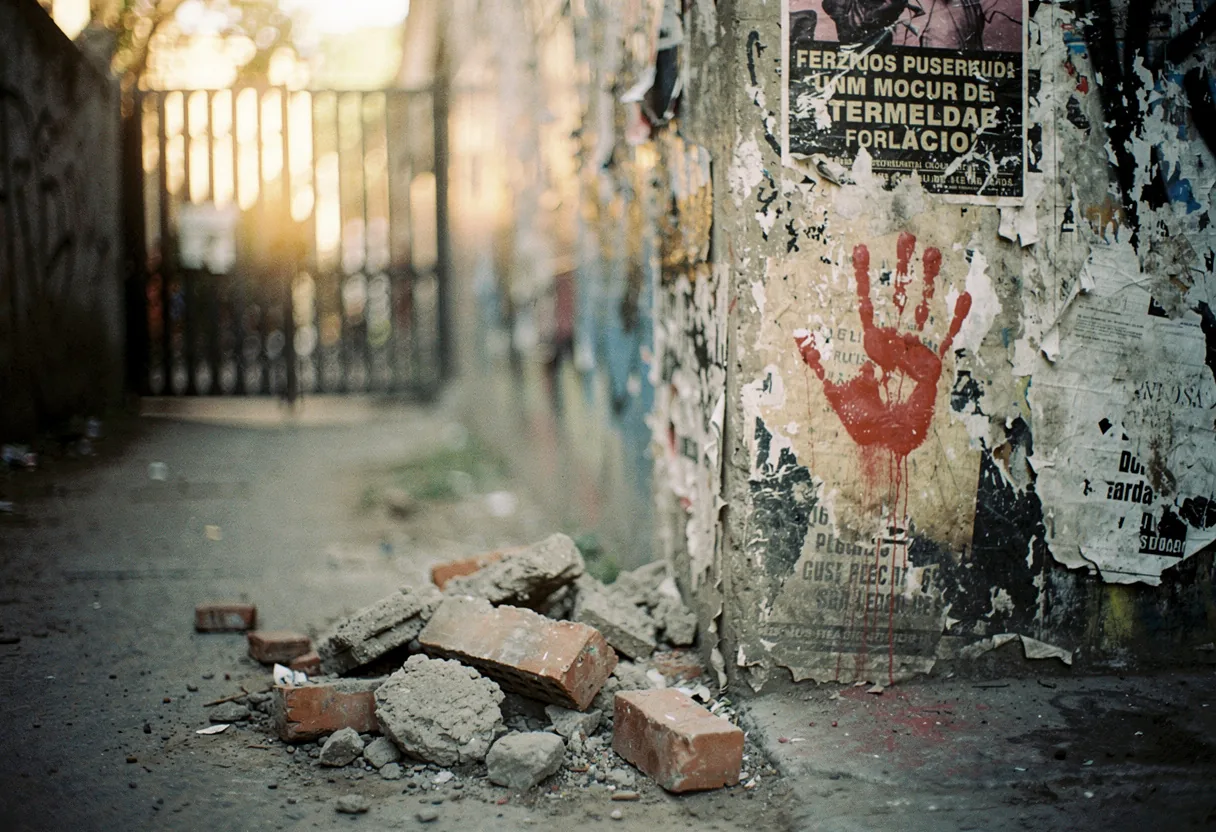
According to Colombia Rights Watch, the community has been subjected to at least 15 forced eviction attempts since its inception. These evictions are often carried out with excessive force, leading to injuries and arrests. The community has also reported incidents of intimidation, threats, and violence from both state actors and private security forces.
How has Barrio Parque Esperanza resisted these human rights violations?
Employing a multi-faceted approach, the community resists through legal action, protest, and cultural preservation.
To do this, the residents have formed alliances with local and international human rights organizations, such as Colombia Rights Watch and the Platform of Displaced People. These alliances have provided the community with legal support, media attention, and solidarity networks. For instance, in 2012, the community successfully challenged an eviction order in court, thanks to the support of these organizations.
People have organized numerous protests and cultural events to raise awareness about their struggle. One notable example is the annual Festival of Resistance, which brings together artists, activists, and allies from across Colombia to celebrate the community’s resilience and demand justice. The festival features music, dance, and art performances, as well as workshops and discussions on human rights issues.
What role have external actors played in supporting Barrio Parque Esperanza?
External actors have played a crucial role in amplifying the community’s voice and putting pressure on the Colombian government to respect their rights.
International human rights organizations, such as Amnesty International and Human Rights Watch, have issued reports and statements condemning the violence and displacement faced by the community. These reports have helped to bring international attention to the issue and put pressure on the Colombian government to take action.
Local universities and research institutions have also played a supportive role. For example, the University of Antioquia has conducted research on the community’s living conditions and human rights violations, providing valuable evidence for legal cases and advocacy efforts. The university has also offered educational programs and workshops to empower community members and strengthen their organizational capacity.
What can be done to support Barrio Parque Esperanza in their struggle for human rights?
Supporting the community requires a combination of advocacy, solidarity, and practical assistance.
To do this, you can raise awareness about their struggle through social media campaigns, blog posts, or community events. You can also write to your local representatives or the Colombian embassy to express your concerns and demand action. Additionally, you can support local and international organizations that are working with the community, such as Colombia Rights Watch and the Platform of Displaced People.
Practical assistance can also make a significant difference. The community often needs financial support for legal cases, medical expenses, or community projects. You can donate to organizations that are working with the community or organize fundraising events to support their cause. You can also volunteer your skills and time to assist with projects on the ground, such as housing construction, educational programs, or cultural events.
What lessons can be learned from Barrio Parque Esperanza’s resistance?
A community’s struggle offers key lessons on collective action, alliances, and culture’s role in resistance movements.
Collective action has demonstrated its power through the community’s success in resisting displacement and violence. By organizing themselves and working together, the residents have been able to challenge powerful actors and demand their rights. Their story emphasizes community organizing and the need for solidarity in the face of adversity.
Partnerships with local and international organizations have been vital to the community’s resistance efforts. These partnerships have offered the community legal support, media attention, and solidarity networks, boosting their voice and pressuring the Colombian government. Their experience shows the value of building alliances and collaborating to reach shared objectives.
Culture’s use by the community as a form of resistance is particularly noteworthy. Through events like the Festival of ResistanceResidents have celebrated their identity, raised awareness about their struggle, and demanded justice. Their story shows how culture fuels resistance and why protecting and advancing cultural rights matters.
What is the current status of Barrio Parque Esperanza’s struggle for human rights?
Resistance efforts have yielded important victories, but the community continues to face significant challenges.
Forced eviction still threatens the community, with residents enduring threats and violence. However, their organized resistance and the support of external actors have helped to mitigate some of these risks. For example, the community’s successful legal challenge to an eviction order in 2012 has provided them with some degree of protection and has set an important precedent for other displaced communities.
Resistance efforts by communities have also contributed to broader changes in Colombian society. Their struggle has helped to raise awareness about the human rights violations faced by displaced communities and has put pressure on the Colombian government to take action. Additionally, their use of culture as a form of resistance has inspired other communities and activists to explore similar strategies.
How does Barrio Parque Esperanza’s struggle relate to broader human rights issues in Colombia?
Displaced communities in Colombia face a broader pattern of human rights violations, including the community’s struggle.
According to the United Nations High Commissioner for Refugees (UNHCR), there are currently over 8 million displaced people in Colombia, making it one of the countries with the highest number of internally displaced persons in the world. Many of these communities face similar challenges to Barrio Parque Esperanza, including forced evictions, violence, and lack of access to basic services.
Community efforts contribute to a broader human rights and social justice movement in Colombia. Their struggle has inspired other displaced communities and activists to organize and demand their rights. their use of culture as a form of resistance has boosted the acknowledgment of cultural rights in the fight for social justice.
| Human Rights Issue | Barrio Parque Esperanza | Broader Context in Colombia |
|---|---|---|
| Forced Evictions | Faced at least 15 forced eviction attempts since 2004 | Over 8 million displaced people in Colombia, many facing forced evictions |
| Violence | Reports of intimidation, threats, and violence from state and private actors | High levels of violence against displaced communities, human rights defenders, and social leaders |
| Access to Basic Services | Limited access to healthcare, education, and sanitation | Many displaced communities lack access to basic services, exacerbating poverty and inequality |
| Cultural Rights | Organizes cultural events to preserve identity and demand justice | Cultural rights are increasingly seen as vital in the fight for social justice. |
What are some key resources for learning more about Barrio Parque Esperanza and human rights in Colombia?
Several organizations and platforms provide valuable information and resources on Barrio Parque Esperanza and broader human rights issues in Colombia.
To do this, you can explore the following resources:
- Colombia Rights Watch: A non-profit organization that monitors and reports on human rights violations in Colombia. Their website provides detailed reports, news updates, and resources on displaced communities, including Barrio Parque Esperanza. Visit their website to learn more.
- Platform of Displaced People: A network of displaced communities and organizations in Colombia that advocates for the rights of displaced people. Their website provides information on their campaigns, events, and resources for displaced communities. Visit their website to learn more.
- Amnesty International: A global human rights organization that has issued reports and statements on the situation in Barrio Parque Esperanza. Their website provides information on their campaigns, research, and resources on human rights in Colombia. Visit their website to learn more.
- Human Rights Watch: An international human rights organization that has conducted research on displaced communities in Colombia. Their website provides reports, news updates, and resources on human rights issues in Colombia. Visit their website to learn more.
- University of Antioquia: A local university that has conducted research on the living conditions and human rights violations faced by Barrio Parque Esperanza. Their website provides access to research publications, educational programs, and resources on human rights in Colombia. Visit their website to learn more.
What are some concrete steps that can be taken to support Barrio Parque Esperanza’s struggle for human rights?
Supporting the community requires a combination of advocacy, solidarity, and practical assistance.
- Raise awareness about their struggle through social media campaigns, blog posts, or community events.
- Write to your local representatives or the Colombian embassy to express your concerns and demand action.
- Support local and international organizations that are working with the community, such as Colombia Rights Watch and the Platform of Displaced People.
- Donate to organizations that are working with the community or organize fundraising events to support their cause.
- Volunteer your skills and time to assist with projects on the ground, such as housing construction, educational programs, or cultural events.
- Attend and participate in events organized by the community, such as the Festival of Resistance, to show your solidarity and support.
- Stay informed about the latest developments in the community’s struggle and share this information with others.
- Advocate for policies and legislation that protect the rights of displaced communities in Colombia.
Barrio Parque Esperanza’s struggle for human rights demands addressing immediate needs while challenging broader structures of inequality and injustice that perpetuate suffering. By taking concrete steps to support the community, you can contribute to a more just and equitable society for all.
Frequently asked questions
What sparked the formation of Barrio Parque Esperanza?
The community emerged in 2001, during Argentina's economic crisis. Families displaced by unemployment and poverty occupied vacant land, forming a settlement to survive. Their resistance began when authorities attempted evictions, turning into a decades-long fight for housing rights.
How has Barrio Parque Esperanza defended its rights?
Residents organized collectively, forming the Asamblea de Barrio Parque Esperanza. They filed legal challenges, protested evictions, and partnered with human rights groups. In 2010, they won a landmark court ruling recognizing their right to the land, setting a precedent for urban settlements.
What challenges does Barrio Parque Esperanza still face?
Despite legal victories, the community lacks basic infrastructure like clean water and sanitation. Persistent stigma and political neglect hinder progress. Residents continue advocating for government investment, emphasizing their right to dignified living conditions.
How has Barrio Parque Esperanza influenced broader human rights movements?
Their struggle has inspired similar communities across Argentina. By framing housing as a human right, they’ve pressured policymakers to address urban poverty. Their case studies feature in global discussions on equitable development, highlighting grassroots activism.
Related Reading
- New Year of Struggle: Indigenous Resistance and Rights in Colombia
- Ancestral Footprints: Indigenous Heritage and Territorial Defense
- Muisca Community Land Displacement in Colombia: What You Need to Know
Part of the Indigenous Rights & Territorial Defense guide hub.
See also: Linguistic Policies, Sovereignty, and Indigenous Rights.
See also: Urua Indigenous Council Human Rights Report Breakdown.